Why Hybrid Solar Inverters Matter for Industrial Loads
Hybrid solar inverters can coordinate PV generation, battery storage, and utility power in one platform. For factories, farms, and pumping sites, this helps reduce interruptions and supports sensitive motor loads. Their value depends on how well they match local grid conditions and control requirements.
Technical Types and Selection Factors
Hybrid solar inverters can differ in phase output, coupling approach, and how closely they integrate with battery or motor control. Three-phase units may suit larger industrial equipment, while split-phase or single-phase designs may fit smaller sites. The right type depends on load mix, grid behavior, and future expansion.
Core Specs to Review
Important details include output configuration, DC input behavior, surge support, protection features, and communication readiness. These specs influence how the inverter handles solar arrays, storage, and variable loads. A thorough review helps EPC teams align the unit with operational goals.
Working with VFDs
Variable frequency drives control motor speed and torque, so the power source must remain stable during starts, stops, and load changes. Hybrid inverters should be assessed for compatibility with downstream drives and for clean transitions between power modes. Proper matching can improve pump, fan, and conveyor reliability.
Boray Catalog Options
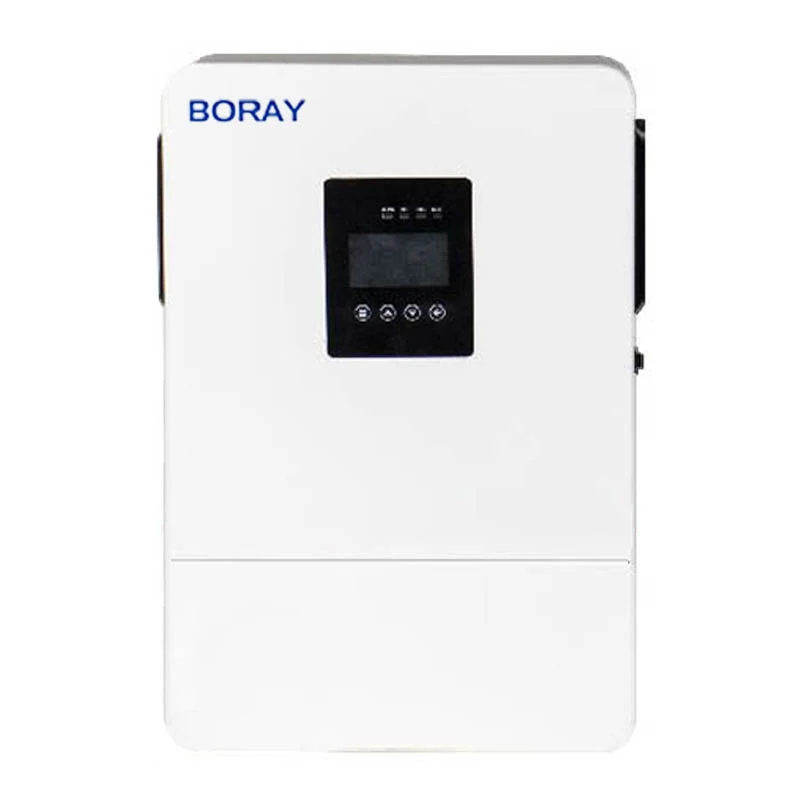
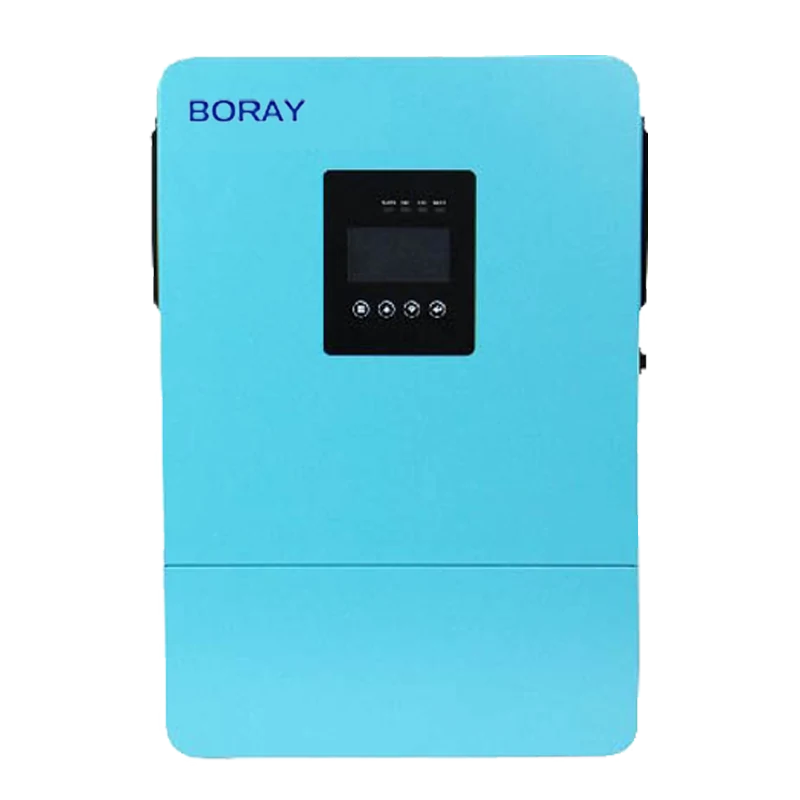
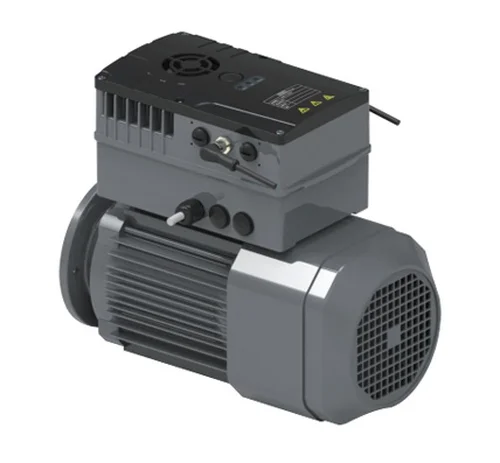
Boray lists hybrid solar inverter models including the BR2000-4200 and BR2000-6500. The FD500 distributed inverter is also available for drive-oriented applications. Buyers should compare catalog products against site requirements rather than selecting by nameplate size alone.