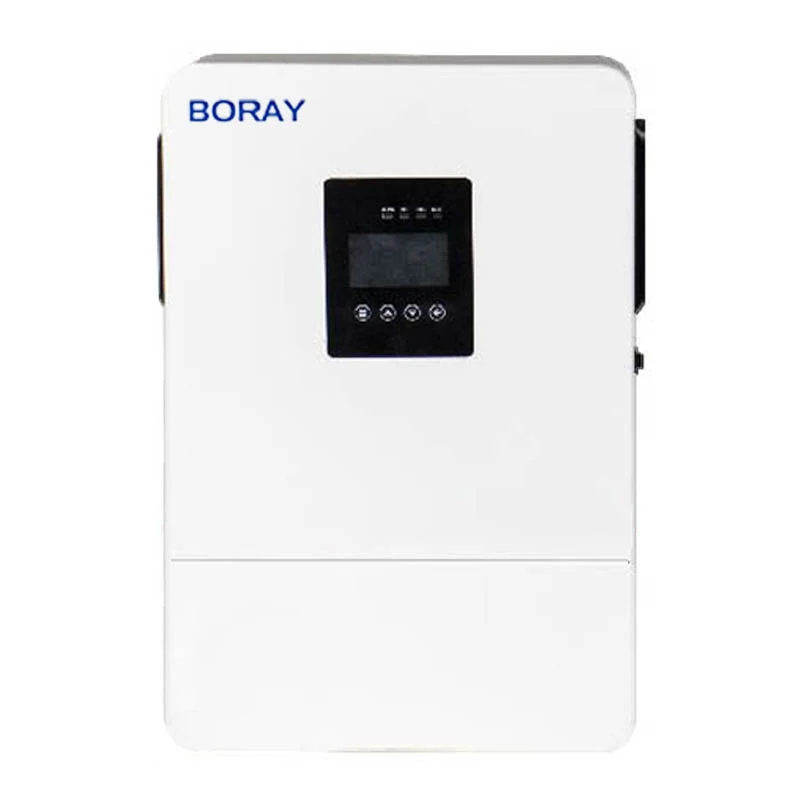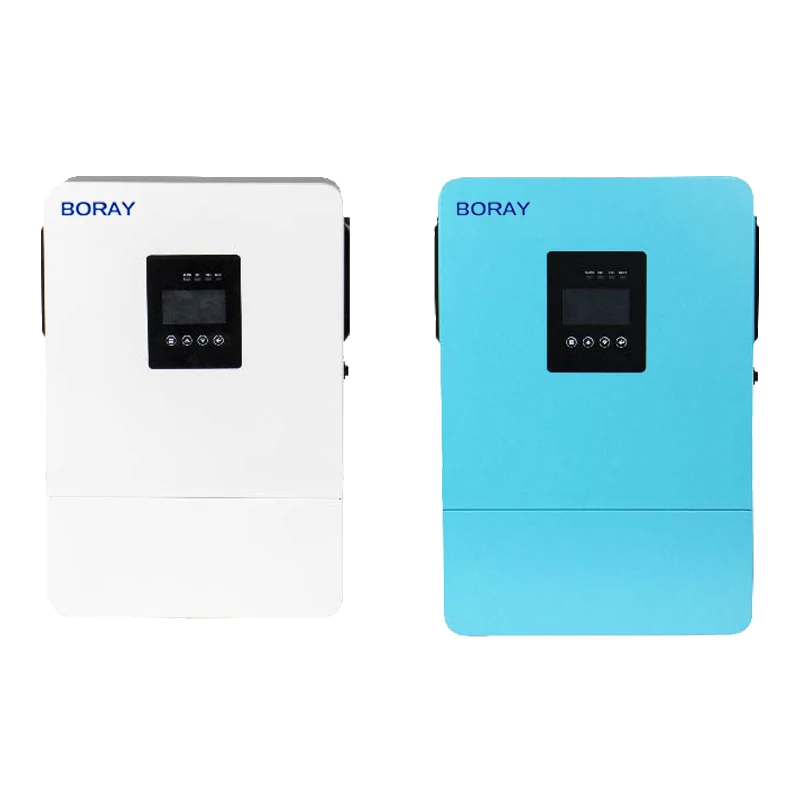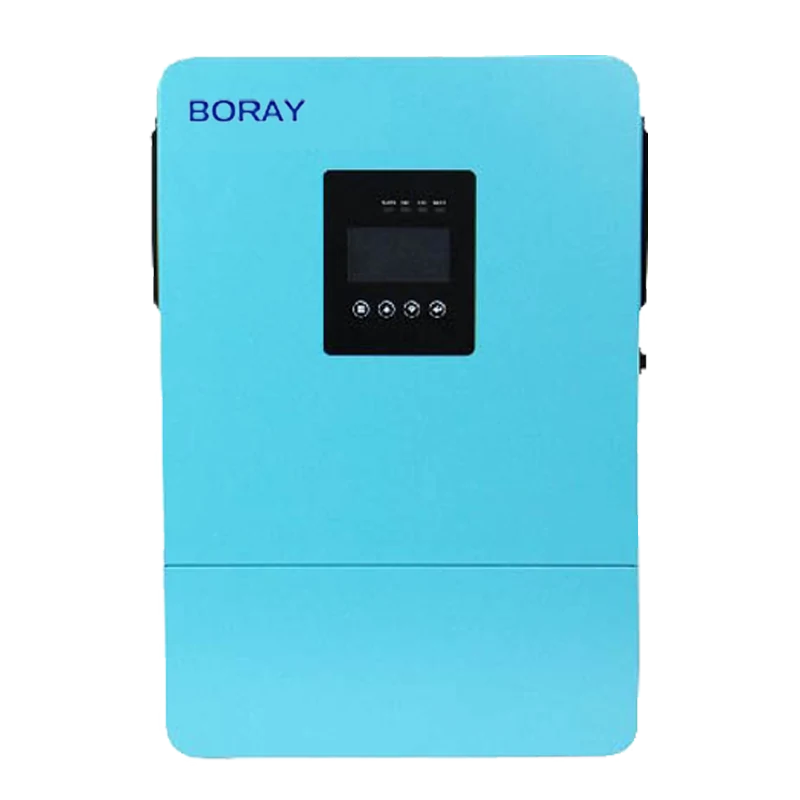
Why Hybrid Solar Inverters Are Used in Industrial Power Systems
Industrial sites often need stable power when the grid fluctuates or when solar output changes. Hybrid inverters can coordinate solar, battery storage, and utility supply within one platform. This can support continuous operation for sensitive loads and reduce dependence on grid-only power.
Common Hybrid Inverter Architectures
AC-coupled hybrids connect batteries through the AC side and can work with existing inverter or charger equipment. DC-coupled hybrids connect batteries directly to the DC bus and may reduce conversion stages for solar and storage. The best choice depends on site layout, battery type, and how the system will interact with motor drives.
Compatibility with VFDs and Motor Loads
Motor loads can draw high starting current and create voltage changes that affect power quality. Hybrid inverters used with VFDs should be evaluated for surge capability, control stability, and harmonic behavior. Proper matching helps pumps, conveyors, and process motors operate more reliably during solar or battery transitions.
Key Specifications to Review Before Sourcing
Important details include input voltage range, output configuration, battery management features, grid interface limits, and communication options. Enclosure protection, cooling method, and mounting style matter in outdoor or factory environments. Documentation for protection settings and integration interfaces should be checked during procurement.
Practical Checklist for EPC and Automation Buyers
Start by mapping solar array size, battery capacity, critical loads, and VFD requirements. Then verify whether the hybrid platform supports the needed phase configuration and communication protocols. A clear O&M plan and supplier support process can improve long-term reliability.