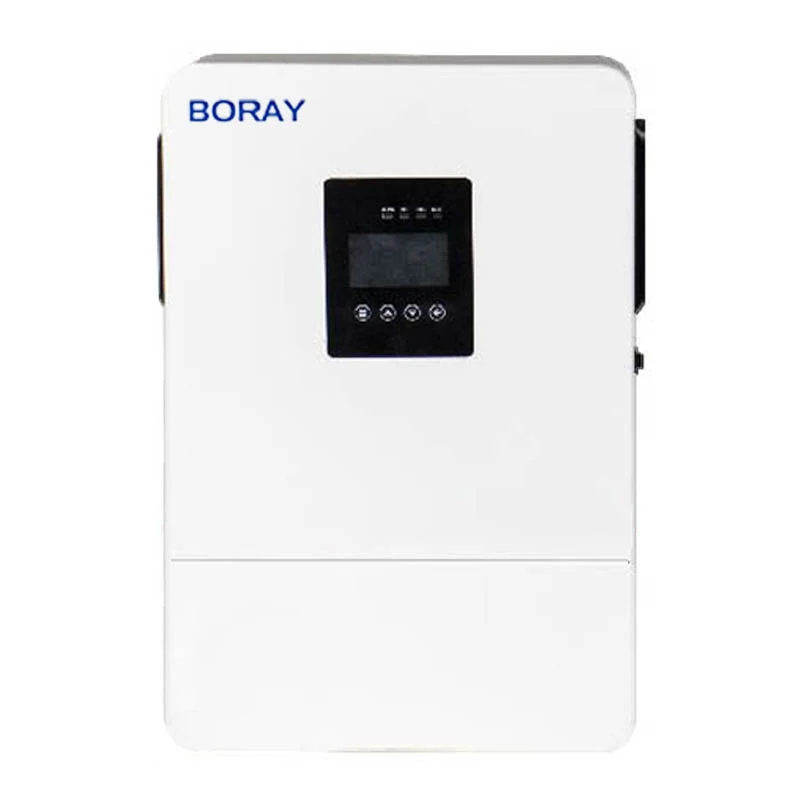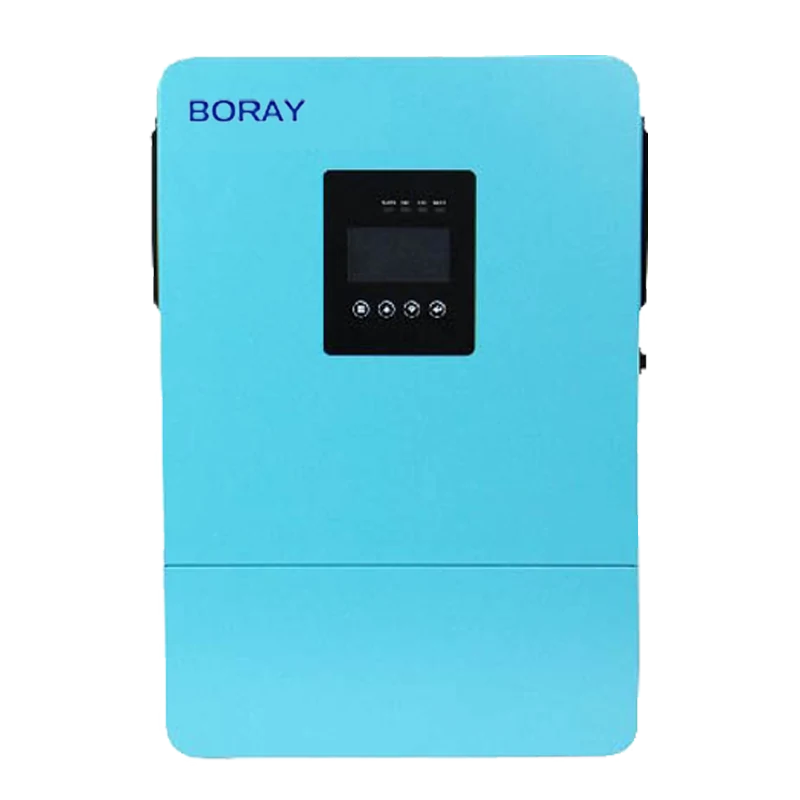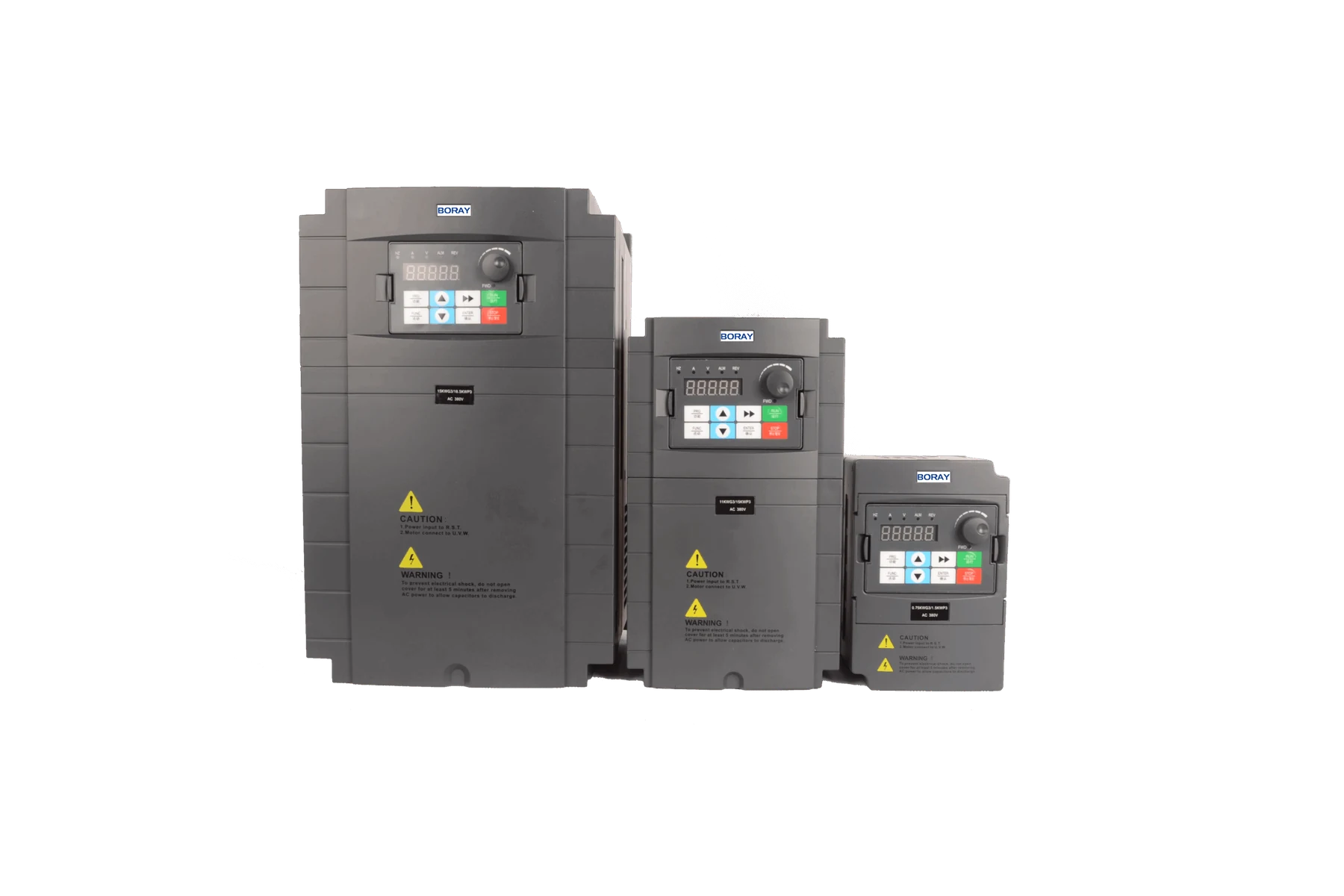
Why Industrial Buyers Choose Hybrid Solar Inverters
Hybrid solar inverters help factories, farms, and remote stations combine PV, battery, grid, and backup power in one control point. For motor-driven equipment, they can support stable operation when grid conditions fluctuate. In industrial procurement, they are often evaluated as part of a distributed energy and automation strategy.
Main Hybrid Inverter Types for Heavy Loads
Three-phase high-voltage battery hybrids are generally considered for larger commercial or industrial loads, where higher DC bus voltages can reduce current and cable losses. Integrated solar pump hybrids combine MPPT and variable frequency control for pump motors, often adding protection against dry running, low voltage, phase loss, and overload. DC-coupled all-in-one systems connect PV directly to battery charging and can simplify topology for telecom, microgrid, or light commercial sites.
Technical Specifications to Review Before Ordering
Buyers should confirm AC output configuration, battery voltage class, power rating, waveform quality, and motor-start surge capability. THD, efficiency, protection functions, and communication interfaces should be checked against the site load and SCADA or PLC requirements. For pump systems, PV voltage matching, MPPT behavior, and soft-start performance are especially important.
VFD Compatibility and Pump Control Considerations
Hybrid inverters used with pumps or motor loads should be assessed for compatibility with variable frequency drive expectations, including frequency range and load ramping. Soft-start behavior can reduce mechanical stress and inrush current, which is valuable for centrifugal or submersible pumping. If non-motor loads are also connected, surge capacity and bypass arrangements should be reviewed.
Integration and Procurement Checklist
Before wholesale sourcing, map the expected load profile, battery architecture, grid connection, and backup priority. Verify whether the unit can operate grid-tied, off-grid, or hybrid modes without disrupting automation equipment. A clear commissioning plan should cover protection settings, communication wiring, and performance testing under real solar and load conditions.