Industrial Role of Hybrid Solar Inverters
Hybrid solar inverters help industrial and agricultural sites combine PV generation, storage, and grid support while keeping motor-driven processes running. They can act as power-management hubs that coordinate solar input, battery resources, and AC loads during normal operation or grid disturbances.
Common Hybrid Inverter Architectures
Three-phase hybrid designs are often considered for plant loads, HVAC, and pump systems where grid support and motor compatibility matter. Solar pumping hybrids may integrate drive control features to manage pumps directly, while DC-coupled and AC-coupled layouts affect efficiency, storage integration, and retrofit flexibility.
VFD Compatibility and Motor Control
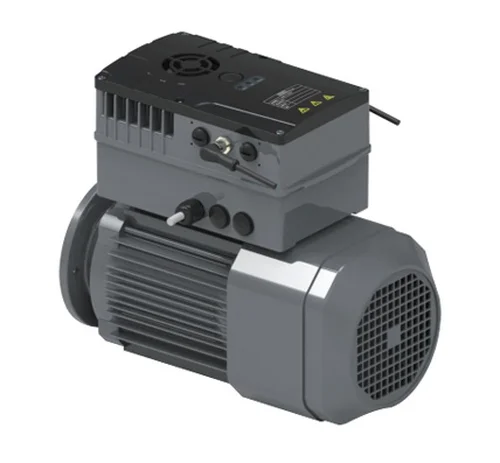
When hybrid inverters feed variable-frequency drives, attention should go to voltage stability, harmonic behavior, and control compatibility. Proper matching helps pumps, conveyors, and other motor loads maintain smooth torque and reduces stress on drives during solar or battery transitions.
Key Specification Areas to Review
Technical review should cover AC output range, MPPT behavior, protection functions, enclosure suitability, and communication options for monitoring. These factors influence how well the system supports industrial automation, SCADA visibility, and long-term serviceability.
Sourcing and Application Considerations
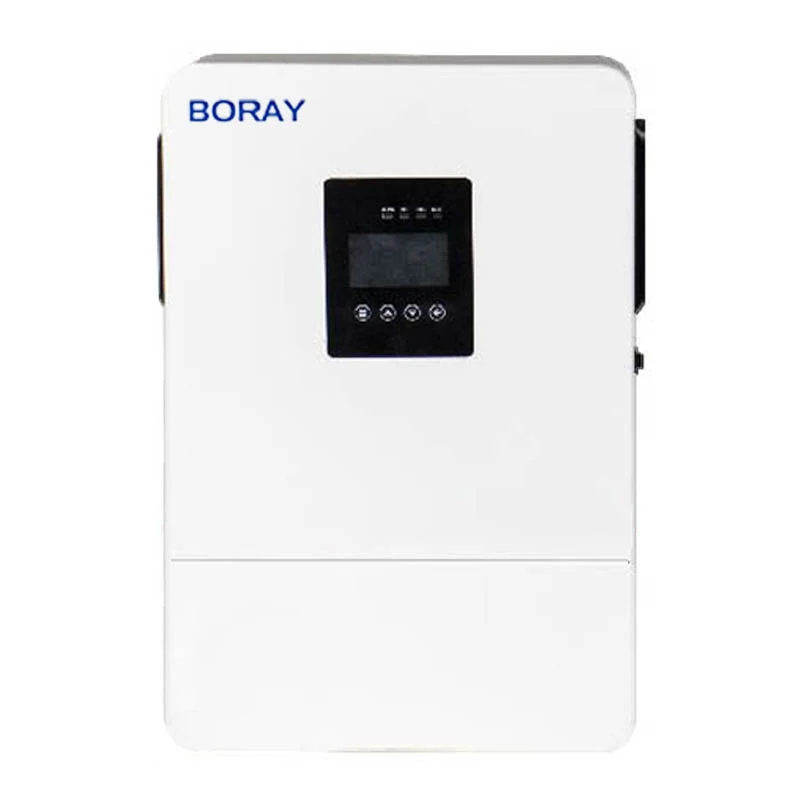
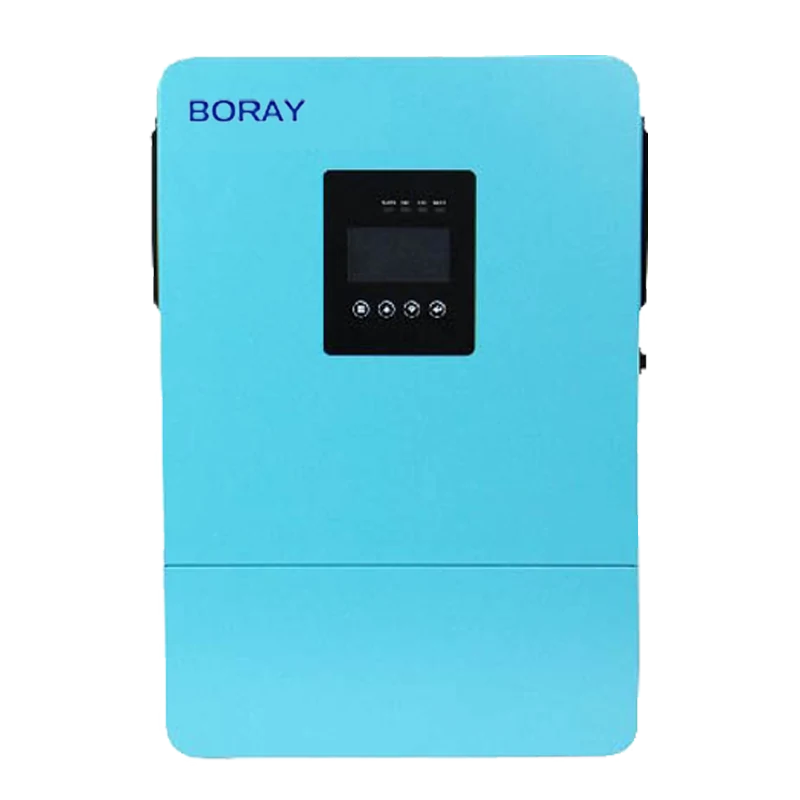
Procurement teams should compare supplier engineering support, testing practices, and supply reliability alongside product fit. Boray hybrid solar inverter and variable-frequency drive product options can be evaluated for solar pumping, motor control, and grid-tied or backup applications where resilience matters.
Practical Selection Checklist
Start by defining load type, grid behavior, storage needs, and whether the system must drive pumps or general motors. Then confirm drive compatibility, protection coordination, and monitoring integration before finalizing the hybrid architecture.