Why Inrush Current Trips Off-Grid Motors
When a motor starts directly, it can draw several times its running current for a short period. In a grid-independent setup, the inverter, battery, and wiring may not have enough headroom, so the transient can trigger overload or voltage sag. The issue is common with pumps, conveyors, compressors, and other high-inertia loads.
Use Controlled Starting Devices
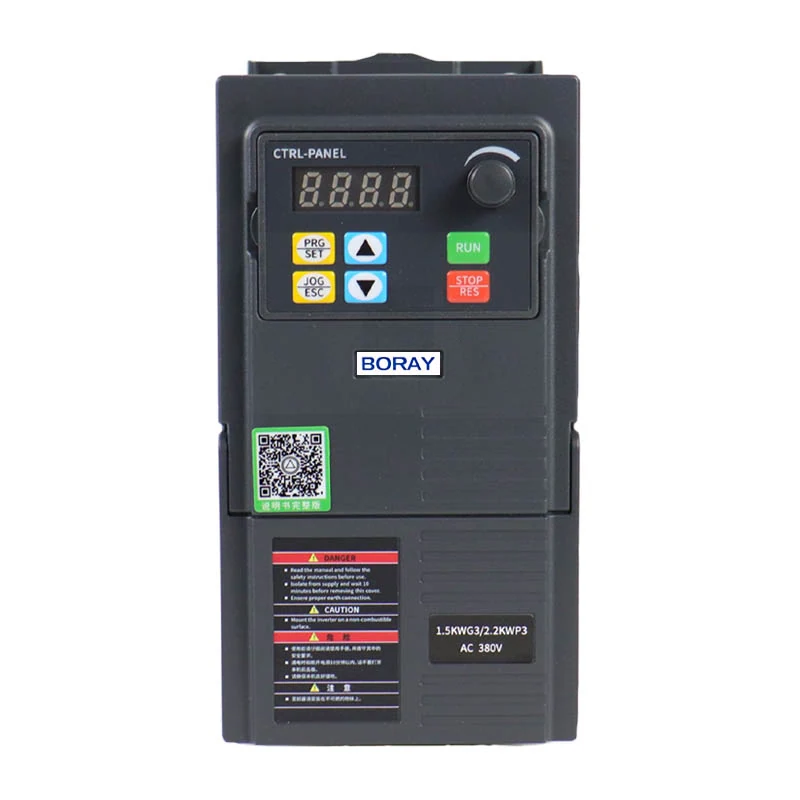
A soft starter or variable frequency drive can ramp voltage and frequency instead of applying full power at start. Boray options such as the ST200 Online Intelligent Soft Starter Without Bypass and BR100 Variable Frequency Drive can help manage starting torque and current. For repeated starts, choose a device suited to the motor type and duty cycle.
Size the Inverter and Battery for Starting Transients
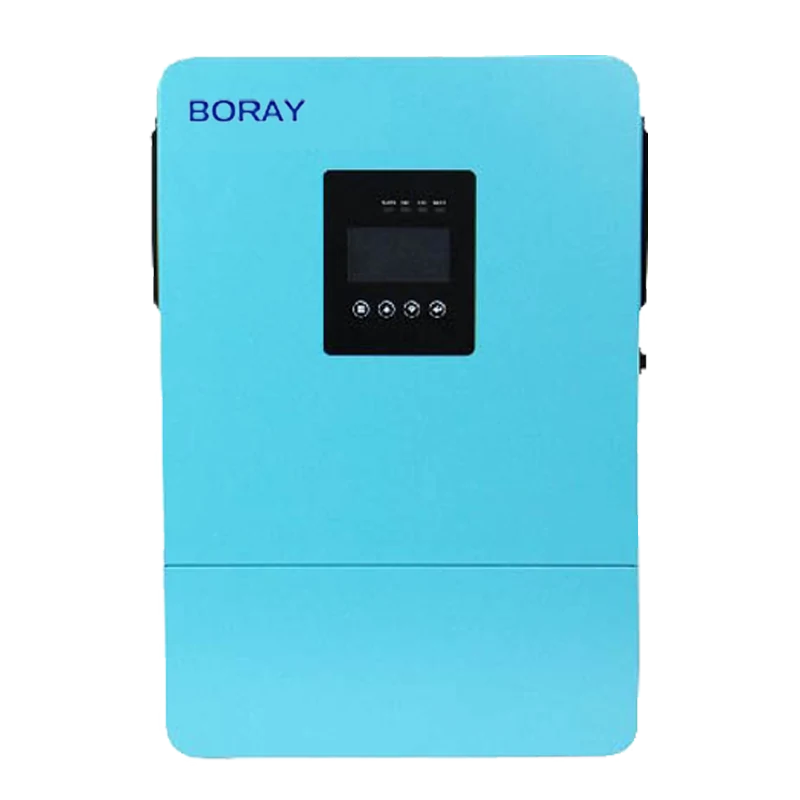
Do not size only by motor running power; check the inverter’s short-duration overload capability and the battery’s ability to support the start. If the system uses a hybrid solar inverter such as the BR2000-6500 Hybrid Solar Inverter, confirm that the motor load profile fits the available surge margin. Staggering multiple motor starts can also reduce peak demand.
Improve Cabling, Grounding, and Protection Settings
Long or undersized motor cables increase voltage drop, which can make the inverter work harder during start-up. Keep power and signal wiring separated, follow manufacturer grounding guidance, and verify protective device settings. If the system includes VFDs or soft starters, review acceleration, deceleration, and overload parameters to match the motor and driven load.
Commission and Troubleshoot the Motor Start
Before full operation, run the motor unloaded or lightly loaded to observe current, voltage, and fault behavior. Record whether the overload occurs at start, during acceleration, or under load, then adjust starting method and parameters accordingly. If faults persist, review motor condition, supply stability, and whether the starting device is correctly sized for the application.