Why Inrush Current Overloads Submersible Pumps
Submersible pump motors often draw a large start-up current as the rotor accelerates and the pump begins moving water. If the inverter, drive, or solar source cannot supply the required power, the system may fault, stall, or trip a protection. Understanding the start-up demand helps avoid repeated overload events.
Use Soft-Start and Pump-Specific Control
A controlled ramp reduces the sudden electrical demand compared with direct starting. Pump-focused drives and solar pump inverters can provide soft-start behavior suited to motor loads. This helps the pump reach stable speed without forcing the power source to deliver an abrupt surge.
Match the Inverter or Drive to the Pump Load
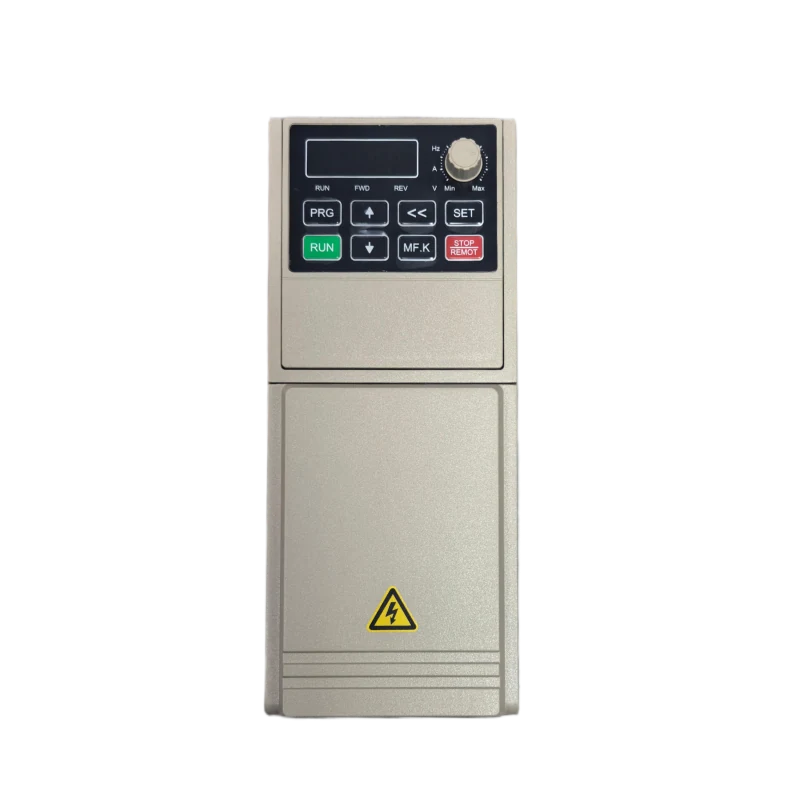
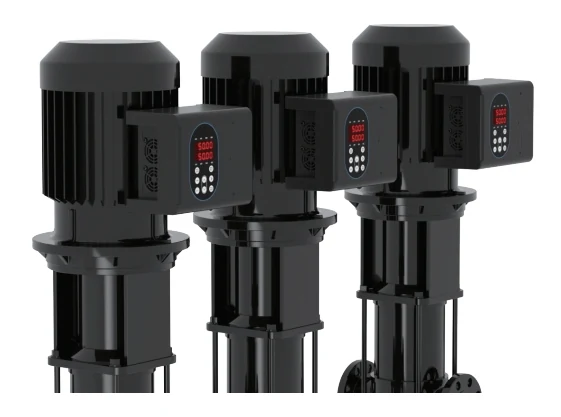
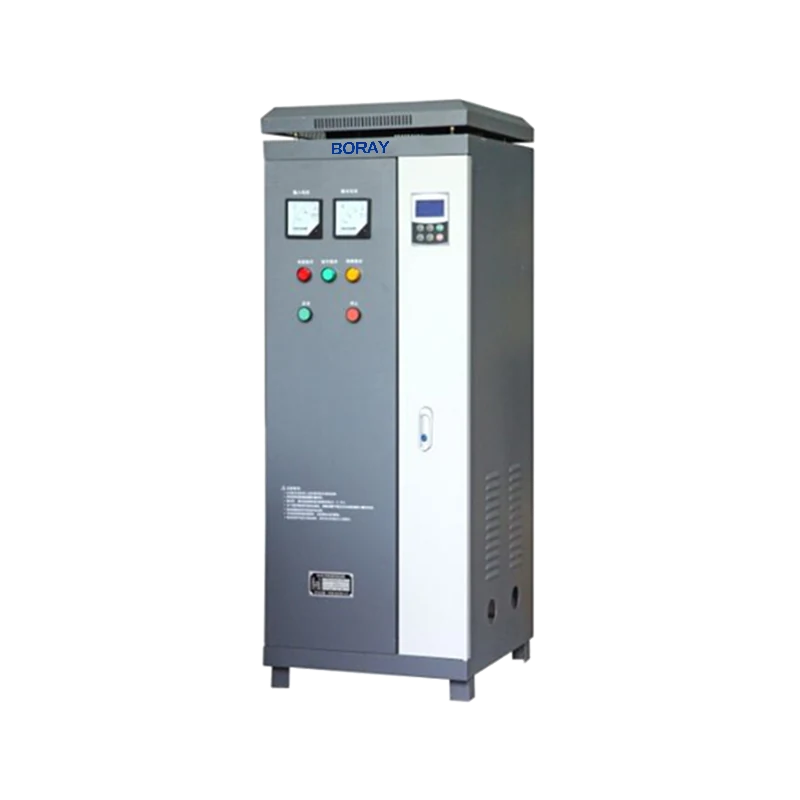
The selected equipment should be suitable for pump duty and the available power source. Products such as the BR600-P Solar Pump Inverter, FS300 Series Intelligent Pump AC Drive, and ST300 Online Soft Starter Cabinet can support pump start-up and protection needs. Proper matching reduces nuisance faults and improves reliability.
Protect Against Dry Run and Pressure Changes
Inrush problems can be worsened when pump conditions change suddenly. Protection functions for dry-run, cavitation, and abnormal flow help the system respond safely. Stable operation under varying water demand reduces repeated start attempts.
Design for Solar, Grid, and Battery Variability
Hybrid solar inverter systems can combine PV, storage, and grid supply to smooth power delivery. A well-planned system can reduce stress on motor start-up when solar irradiance is low or changing. This is especially useful for remote irrigation and industrial pumping sites.
Check Installation and Motor Parameters
Motor nameplate data, cable length, altitude, and temperature can affect starting behavior. Confirm that the drive or inverter settings align with the pump motor and site conditions. A simple commissioning check can prevent overload faults during the first starts.