Why Single-Phase Supply Causes Pump Instability
A weak rural grid can sag when a motor starts, especially if the pump is sized close to the available supply capacity. Voltage dips and rapid load changes may trip drives, overheat motors, or reduce water delivery. The result is unreliable irrigation, livestock water supply, or drainage operation.
Choose the Right Drive Topology
For sites with single-phase utility power, a drive that can accept the available supply and feed a three-phase pump motor is often the simplest solution. Solar pump inverters or outdoor-rated pump drives can also reduce dependence on unstable grid power when PV energy is available. Match the drive category to the application: general VFD, solar pump inverter, or pump-specific control.
Derate and Size for Weak Grid Conditions
Do not select a drive solely by motor nameplate horsepower. Single-phase input drives often require extra current capacity and derating, so a larger frame may be needed for the same pump load. Check supply voltage range, starting current, ambient temperature, and pump duty before finalizing the model.
Use Soft Start, PID, and Protection Features
Soft start and controlled acceleration reduce mechanical stress and limit sudden current spikes that worsen grid sag. Built-in PID or pressure/flow control helps maintain stable pump operation under changing demand. Overload, overvoltage, undervoltage, and dry-run protection are important for remote sites where faults may go unnoticed.
Field Checklist for Remote Agricultural Pumping
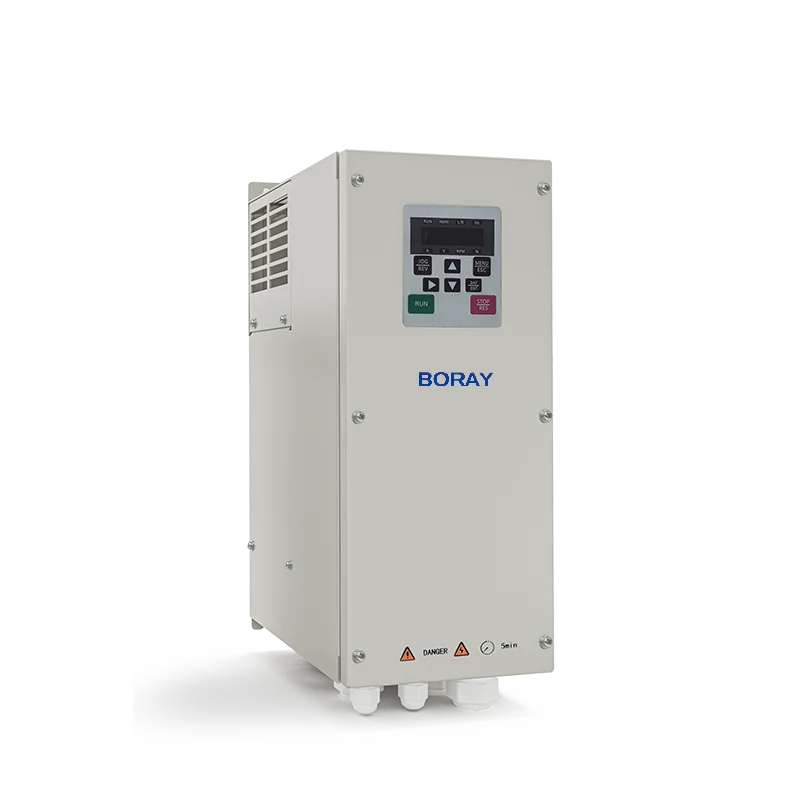
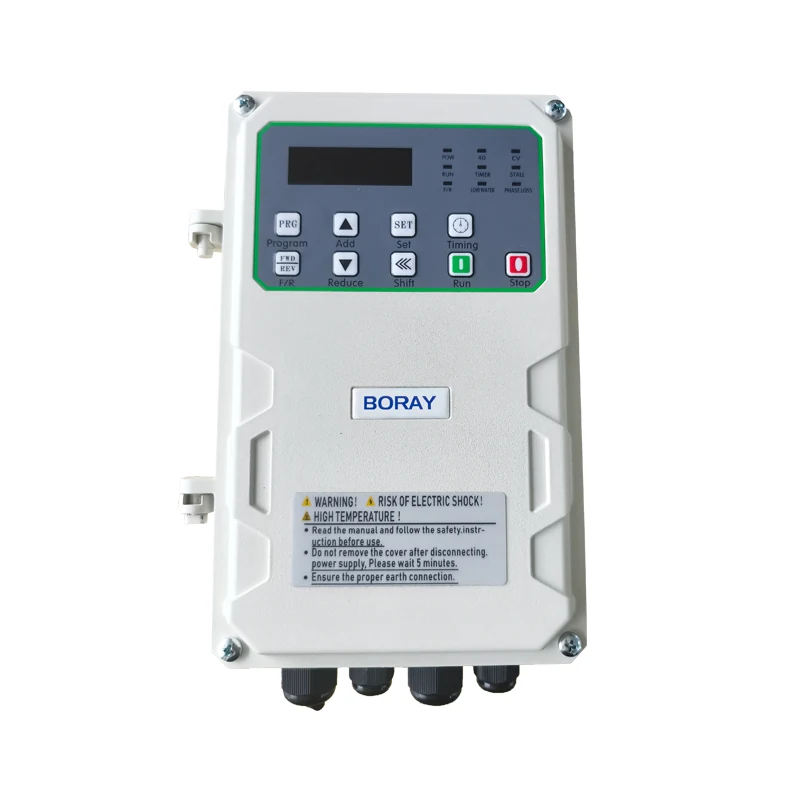
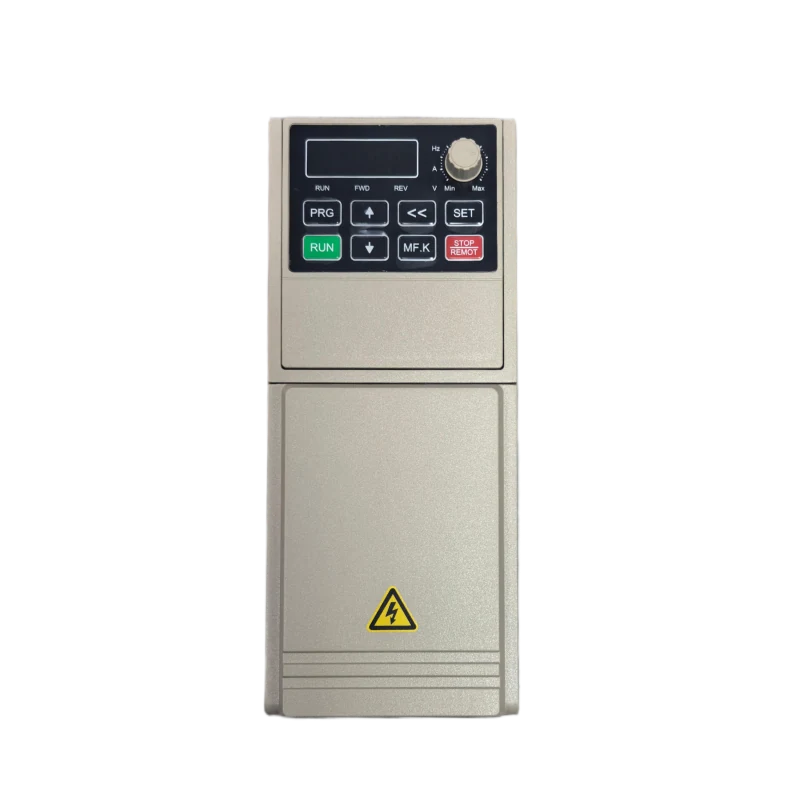
Confirm the pump motor, cable length, grounding, and supply capacity before energizing the drive. Review the drive parameters for acceleration, deceleration, PID target, and fault response. For outdoor installations, choose weather-protected equipment such as the BR300-IP54 Smart Water Pump VFD or an appropriate solar pump inverter like the FD600 or BR600-P.