Why Hybrid Inverters Matter in Industrial Projects
Hybrid solar charger inverters combine PV input, battery handling, and grid interaction in one power management platform. For factories, irrigation systems, and remote operations, they can reduce dependence on unstable grid supply while supporting scheduled energy use. Buyers should evaluate them not just as converters, but as control hubs for distributed energy and motor-driven loads.
Main Technical Types to Compare
Single-phase hybrid units are often used for smaller commercial or light-duty sites, while three-phase models are better suited to pump stations, production lines, and larger balanced loads. Split-phase variants can fit specific regional voltage requirements, especially where mixed control and power circuits are present. For solar pumping applications, models that align with pump curves and soft-start behavior are usually more practical than generic residential inverters.
Integration with VFDs, Pumps, and Motor Loads
Industrial buyers should confirm that the inverter can work cleanly with VFDs, centrifugal pumps, and high-inrush motor equipment. Poor coordination can cause nuisance trips, unstable voltage, or reduced efficiency during startup and load changes. A strong system design matches the inverter output type, control interface, and protection settings to the actual motor profile rather than only the nameplate rating.
Sizing, Protection, and Site Conditions
Proper sizing starts with load categories, PV array behavior, battery configuration, and expected operating cycles. In dusty, wet, or outdoor environments, enclosure protection and thermal management become major selection factors. Engineers should also review MPPT behavior, communication features, and fault-handling logic before finalizing a procurement specification.
B2B Procurement Checklist
Before ordering, confirm phase format, output range, grid-tie or off-grid behavior, battery compatibility, and support for parallel operation if expansion is planned. It is also wise to review warranty terms, documentation, firmware access, and spare-part availability. For solar pumping projects, matching the inverter to the pump control strategy is just as important as matching the power rating.
Boray Product Options from the Catalog
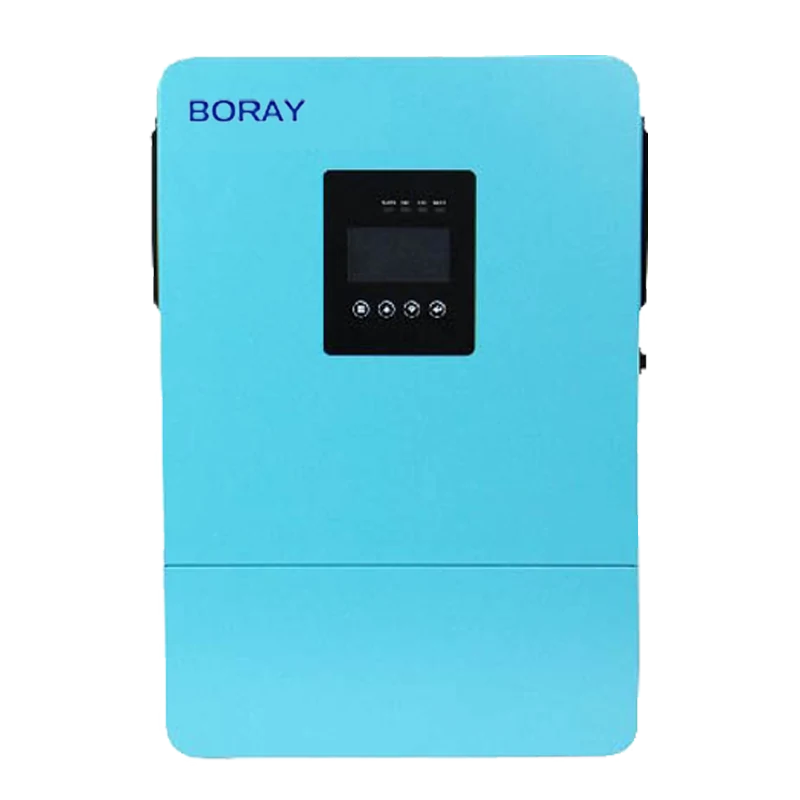
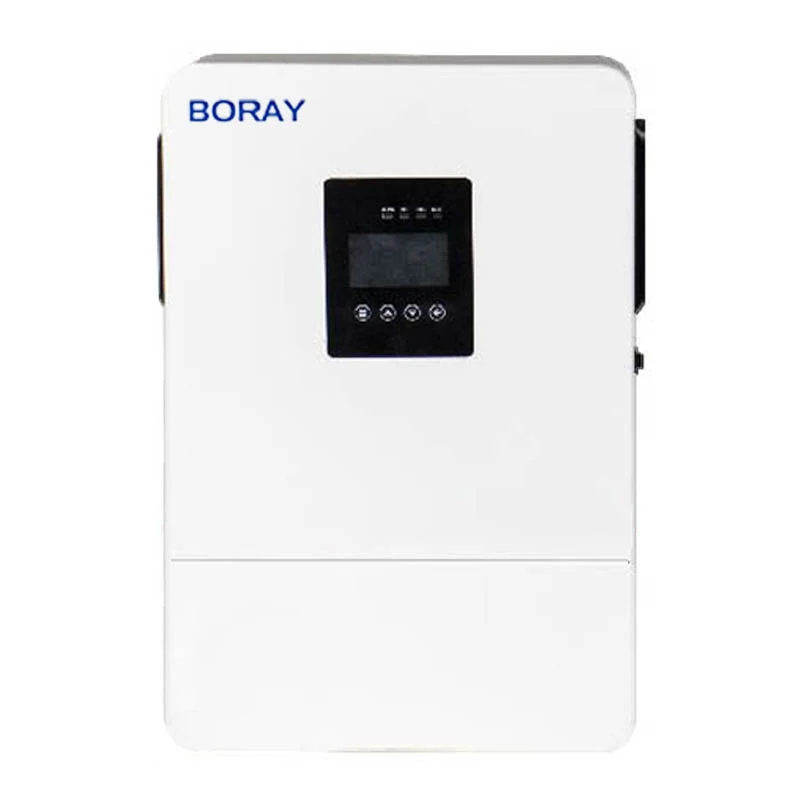
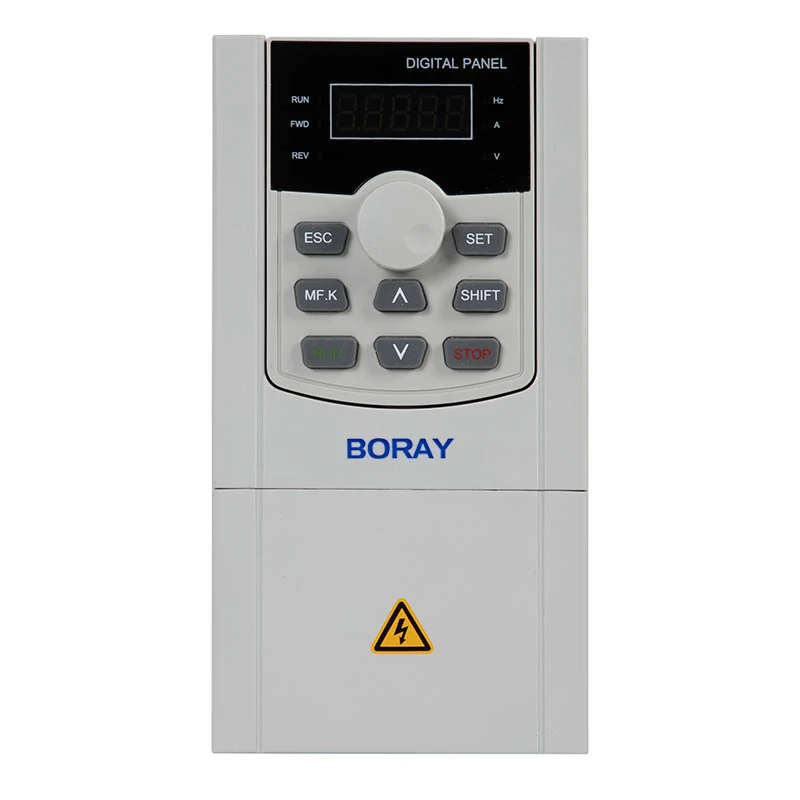
For hybrid solar inverter needs, the Boray catalog lists the BR2000-6500 Hybrid Solar Inverter and the BR2000-4200 Hybrid Solar Inverter. For solar pumping applications, the BR500-P Solar Pump Inverter is also available. These catalog entries can serve as starting points for technical comparison and project-level evaluation.