Why 30kW Hybrid Inverters Matter in Industrial Projects
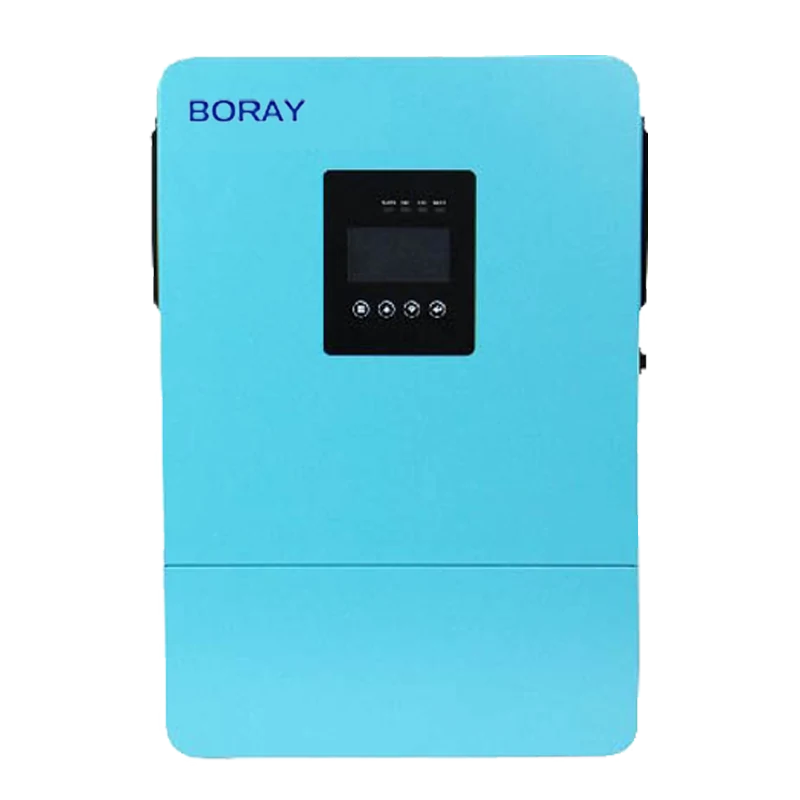
A 30kW hybrid solar inverter can support commercial, agricultural, and automation loads while coordinating PV, battery, and grid power. For project managers, it offers a practical middle point between small residential units and much larger plant systems. In B2B settings, the value comes from reliable backup, load management, and integration with motor-driven equipment.
Key Technical Variations to Compare
Industrial buyers should distinguish three-phase high-voltage configurations from North American split-phase and three-phase options, as well as solar pumping hybrids with integrated drive logic. These variations affect battery compatibility, cable sizing, motor starting behavior, and how easily the unit connects to existing control systems. Selecting the right architecture helps avoid mismatches between the inverter, storage, and downstream loads.
Common Applications and Load Types
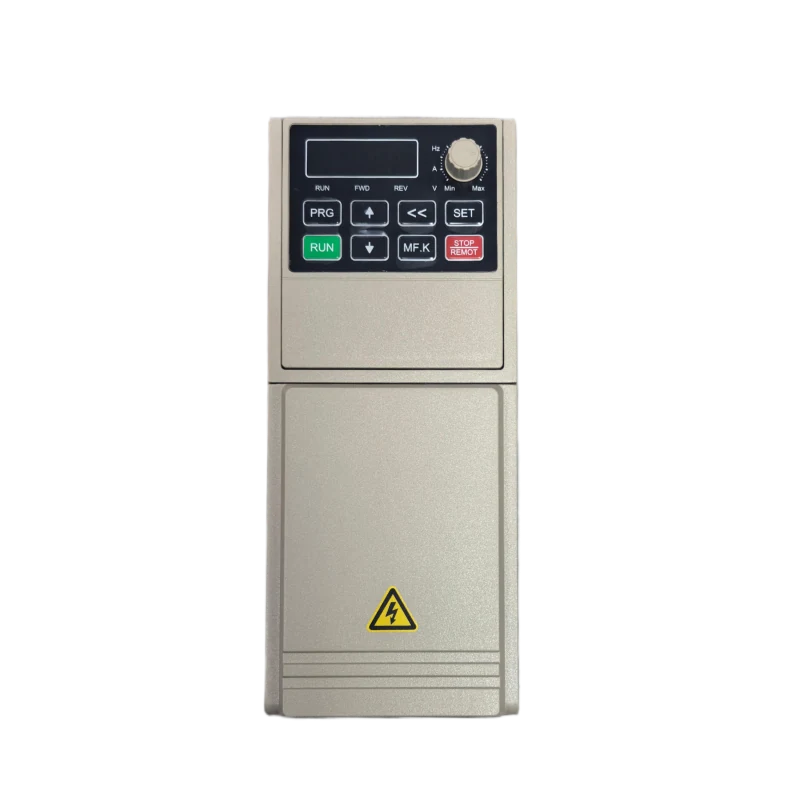
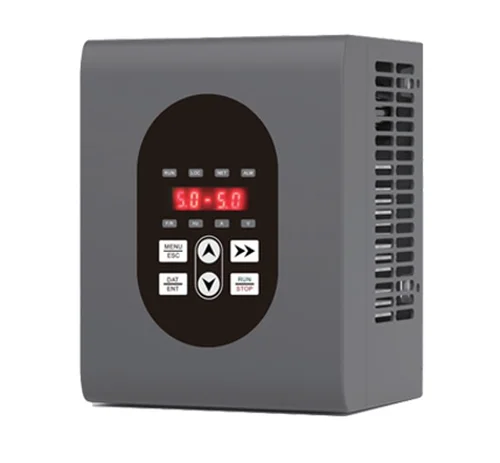
30kW hybrid units are often specified for irrigation pumping, small industrial facilities, HVAC systems, and microgrid backup scenarios. They are especially useful when loads include pumps, fans, compressors, or other equipment controlled by variable-frequency drives. The inverter must manage solar input, battery discharge, and grid transfer without disrupting sensitive automation.
Engineering Pain Points to Watch
Motor surge currents, phase balance, harmonic effects, and communication with SCADA or monitoring platforms are frequent integration challenges. High-voltage battery interfaces and parallel operation also require careful commissioning and qualified installation practices. A good B2B guide should address these risks before procurement rather than after site testing.
Sizing, Integration, and Supplier Evaluation
Engineers should start with continuous and peak load profiles, then confirm DC input, AC output, battery voltage range, backup switching time, and monitoring interfaces. Supplier selection should focus on field support, product documentation, and compatibility with pumps or drives already used in the project. For related Boray catalog options, hybrid solar inverters and solar pump drives can be reviewed as part of a broader system design.
Conclusion for B2B Buyers
The 30kW hybrid solar inverter class remains relevant where resilient power, solar self-consumption, and motor load support are needed. Successful projects depend on matching the inverter type to grid, storage, and load conditions early in design. A disciplined engineering checklist reduces change orders and improves operational reliability.