Why Industrial Buyers Need On-Grid Hybrid Inverters
On-grid hybrid solar inverters combine utility interconnection, photovoltaic conversion, and energy storage control in one platform. For factories, farms, and water systems, this can improve self-consumption while keeping power available for sensitive automation and motor loads. Procurement teams must evaluate how the inverter supports grid stability, backup needs, and long-term energy planning.
Main Topologies and Design Differences
Hybrid architectures can be organized around AC coupling, DC coupling, centralized conversion, or string-based conversion. Each approach changes how PV arrays, batteries, and loads interact, as well as how maintenance and redundancy are handled. Industrial buyers should compare these designs against site layout, phase configuration, and existing electrical infrastructure.
Engineering Selection Criteria for B2B Projects
Critical specifications include grid interface behavior, MPPT architecture, battery compatibility, protection features, and communication options. Motor-driven systems also need attention to voltage quality, startup conditions, and coordination with VFDs or pump controls. The right selection depends on whether the project prioritizes resilience, efficiency, scalability, or integration with SCADA platforms.
Sizing and Commissioning Checklist
A practical sizing review should cover connected PV capacity, expected load profile, battery power and energy requirements, and utility interconnection limits. It should also address cable routing, grounding, protection devices, thermal conditions, and commissioning documentation. This checklist helps reduce delays during installation and supports safer handover to operations teams.
Boray Product Fit and Related Solutions
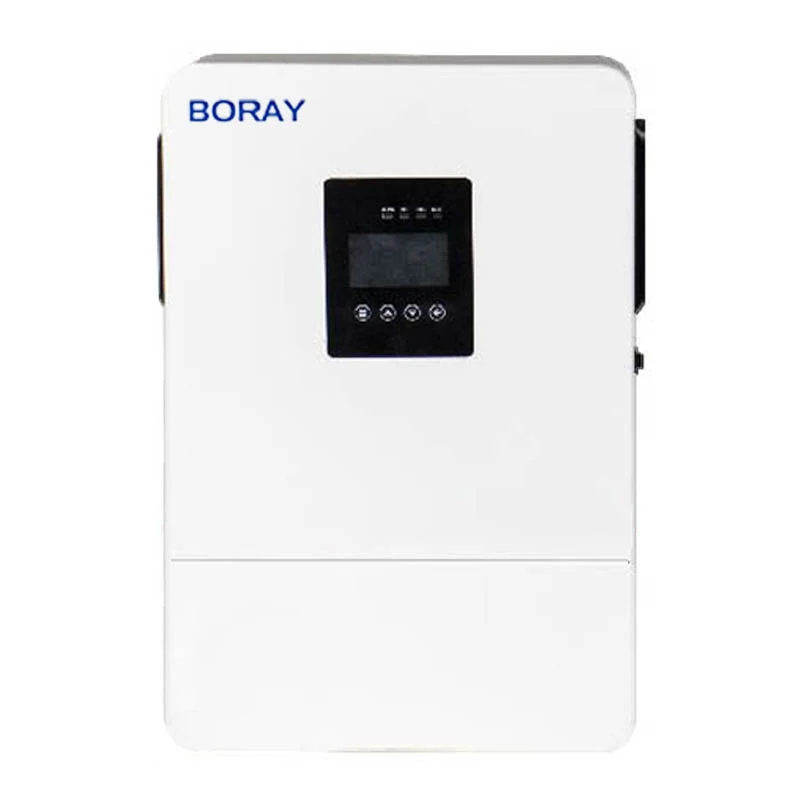
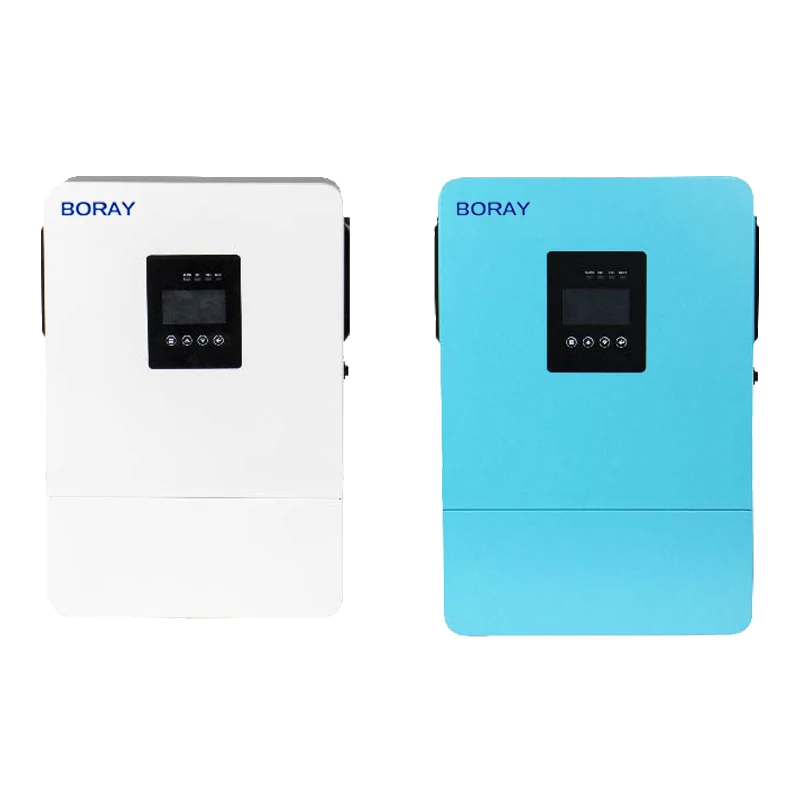
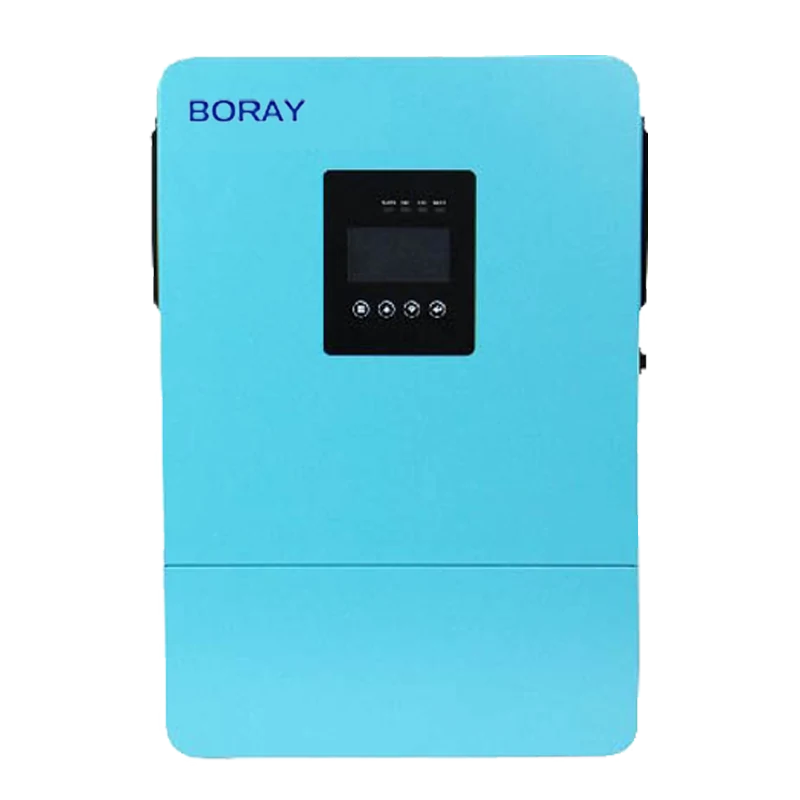
Boray’s catalog includes hybrid solar inverter options for projects that need solar generation with grid-tied operation and storage-ready control. Related pump and variable frequency drive products may also be relevant where irrigation, water handling, or motor automation is part of the site energy strategy. Buyers should align product selection with actual system boundaries rather than assuming one inverter covers every load.