Why Hybrid Inverters Matter for Home and Light Industry
Hybrid inverters combine PV conversion, battery management, and grid interaction in one control platform. They help facilities reduce grid reliance while supporting sensitive loads and scheduled energy use. For B2B buyers, they are useful where distributed generation must work with pumps, automation, or backup systems.
Main Architectures to Compare
Single-phase hybrid designs suit small residential or light commercial loads where three-phase infrastructure is not available. Three-phase hybrid designs are better when balanced AC loads or direct motor support are required. Off-grid and solar-pump hybrid variants add islanding or pump-oriented control for remote or irrigation-focused sites.
Applications and Load Compatibility
Home systems often need to support lighting, outlets, HVAC, and small pumps without destabilizing the voltage. Light industrial use cases may include agricultural buildings, monitoring stations, and motor-driven equipment. Buyers should review inrush handling, phase compatibility, and whether a separate VFD is still needed.
Engineering Pain Points During Selection
A common challenge is matching inverter output to motor starting behavior, especially for inductive loads. Battery sizing, DC input range, and enclosure protection can become limiting factors in harsh installations. Commissioning complexity also increases when grid-forming, generator backup, and load-shedding logic are required.
Sizing, Testing, and Value Review
Start with the daily load profile, critical backup duration, PV array layout, and expected motor duty cycles. Factory checks should verify firmware stability, thermal performance, and protection functions before shipment. A B2B value assessment should weigh reliability, integration effort, and maintenance access rather than hardware cost alone.
Boray Product Fit and Next Steps
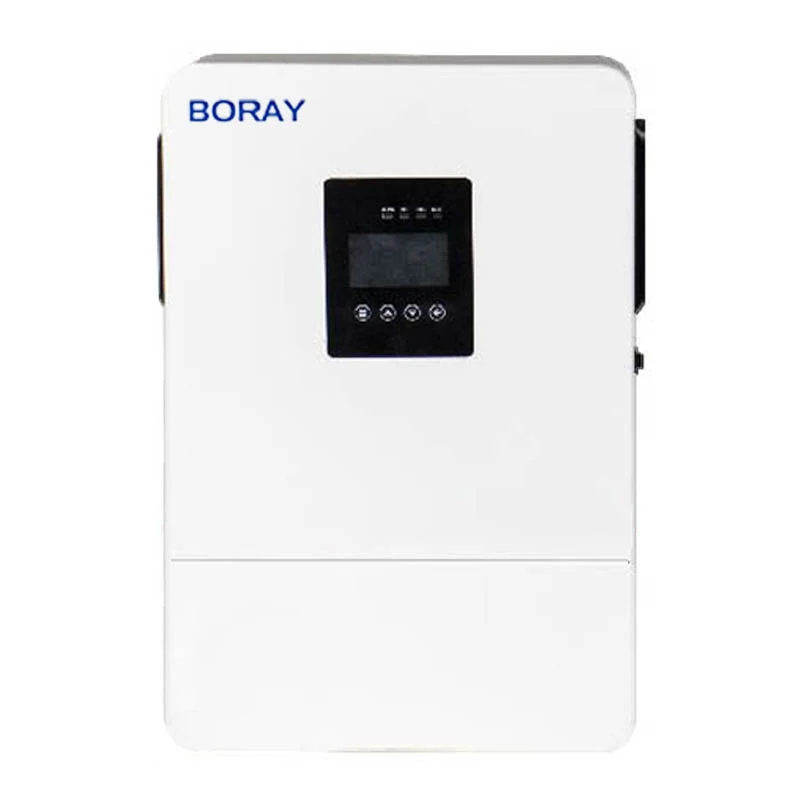
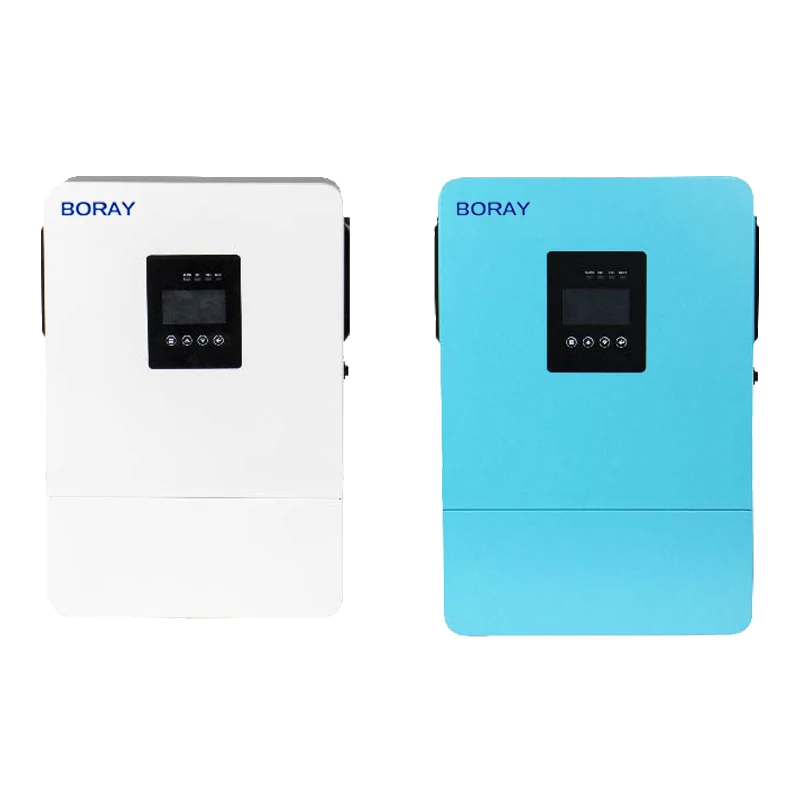
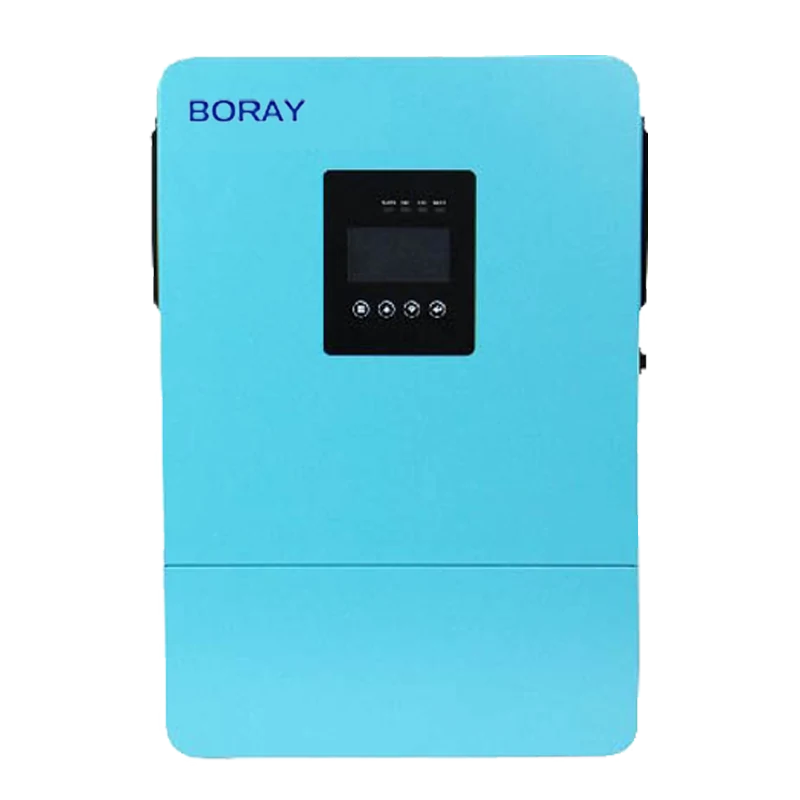
Boray's hybrid solar inverter range includes models such as BR2000-4200, BR2000-6500, and BR2000-6500-P for residential and light-duty energy systems. Project teams should confirm phase requirements, battery compatibility, and site conditions before final selection. Early coordination with the manufacturer can simplify commissioning and long-term support.