Why Hybrid Inverters Matter in Industrial Power Systems
In industrial and large agricultural settings, power conversion equipment must support pumps, conveyors, and automation loads while balancing solar, storage, and grid energy. A hybrid inverter can act as a central interface for bidirectional power flow and load management. For B2B teams, the main value is improved energy reliability, cost control, and smoother integration with motor-driven systems.
Common Hybrid Inverter Architectures
Buyers often compare three-phase high-voltage designs, three-phase low-voltage designs, and AC-coupled retrofit approaches. High-voltage options may suit larger arrays and storage systems, while low-voltage designs can simplify service and battery pairing. AC-coupled setups are useful when existing PV inverters remain in place and storage is added later.
Motor Loads, Pumps, and Power Quality
Hybrid inverters used for pumping or industrial automation need to handle high starting currents and maintain stable output for VFD-driven equipment. Power quality, overload tolerance, and communication with battery or pump controls are important selection factors. Engineers should review the target load profile before assuming a unit is suitable for continuous heavy-duty operation.
Sizing and Integration Checklist
Sizing should consider PV array voltage, battery voltage, AC output capacity, local grid conditions, and expected load diversity. Integration checks should include protection coordination, communication protocols, enclosure environment, and future expansion needs. A clear one-line diagram and load list reduce commissioning errors and support safer maintenance.
Boray Catalog Considerations
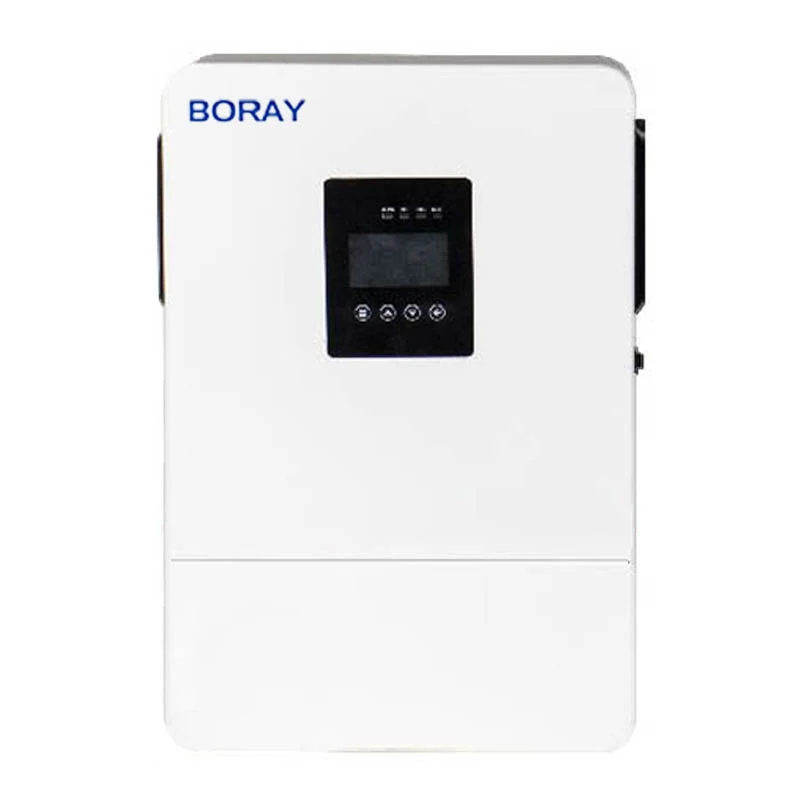
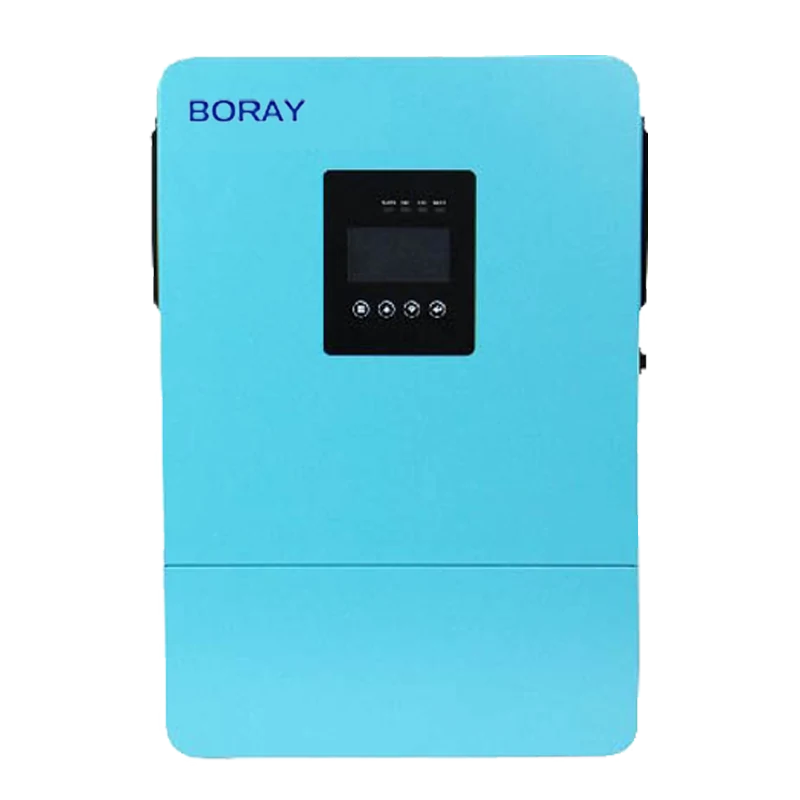
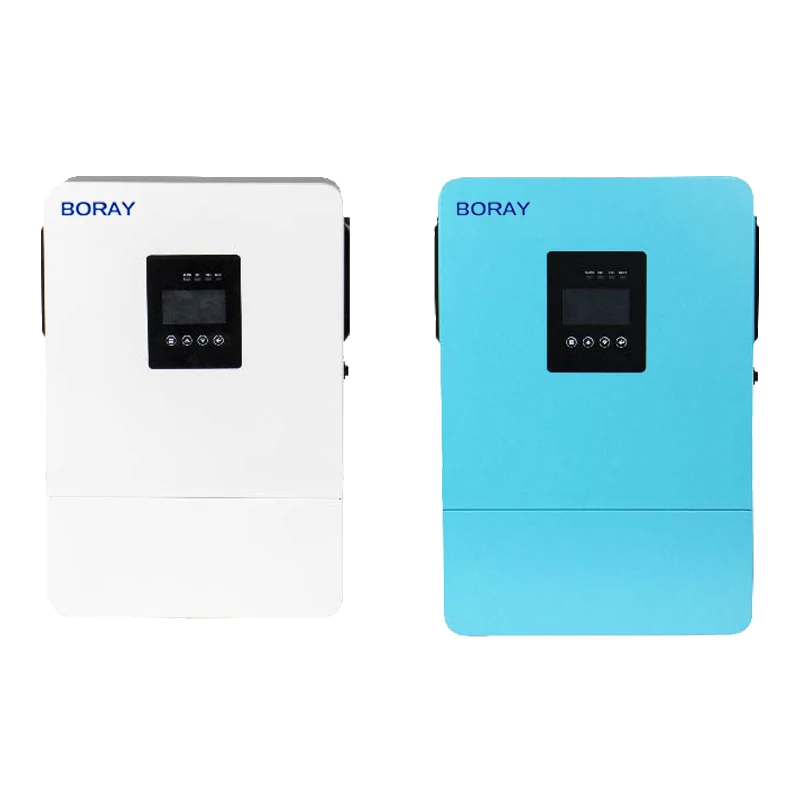
Boray's catalog includes hybrid solar inverter models such as the BR2000-4200 Hybrid Solar Inverter, BR2000-6500 Hybrid Solar Inverter, and BR2000-6500-P Series Hybrid Solar Inverter. These items can be evaluated against project voltage, output, storage, and control requirements. For related projects, check the appropriate Boray catalog category before specifying a model.