Confirm the pump duty before selecting a solar pump drive
Record whether the load is a borehole submersible pump or a surface pump, then note the intended flow range, head range, start/stop pattern, and cable distance. This defines the operating envelope the solar pump drive must follow.
Map solar source behavior to drive input expectations
Check how the solar source will behave during low light, strong sunlight, and shutdown, including panel grouping, cable length, and source stability. A solar pump drive should be selected with the solar source in mind, not only the pump operating point.
Match drive selection to pump protection requirements
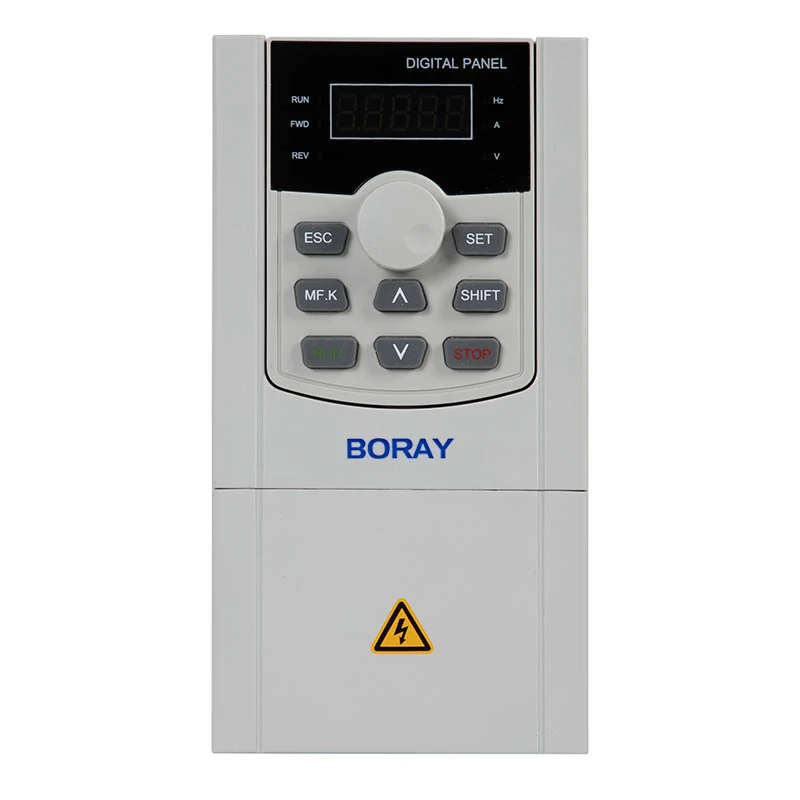
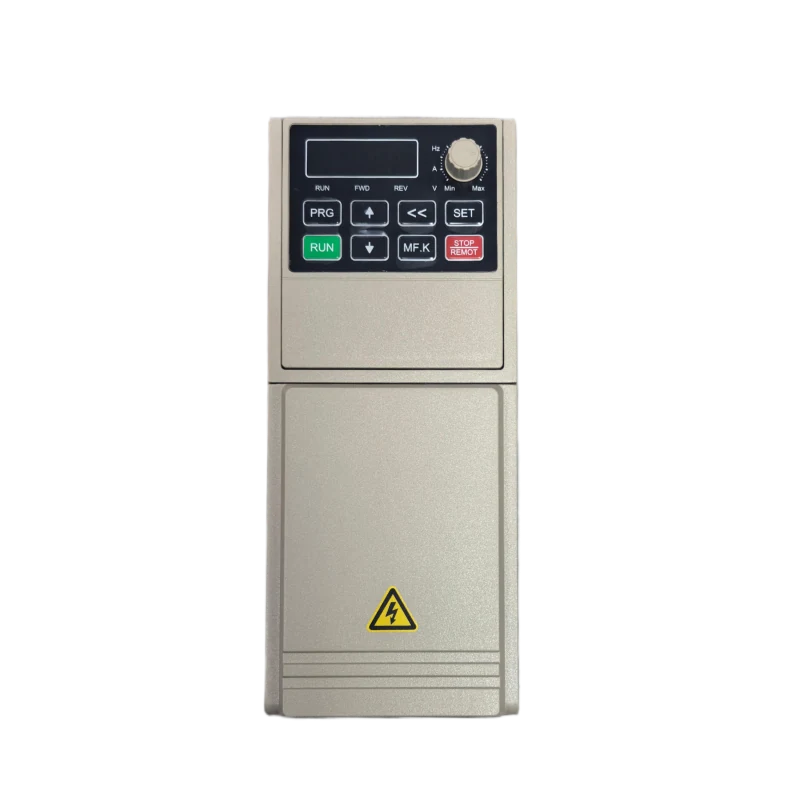
For water pumping, consider whether the application needs controlled starting, protection against abnormal water conditions, and stable operation. Use catalog names such as BR500-P Solar Pump Inverter, BR600-P Solar Pump Inverter, and FD600 High Protection Solar Pump Inverter as pump-oriented reference points for this comparison.
Check installation environment and enclosure access
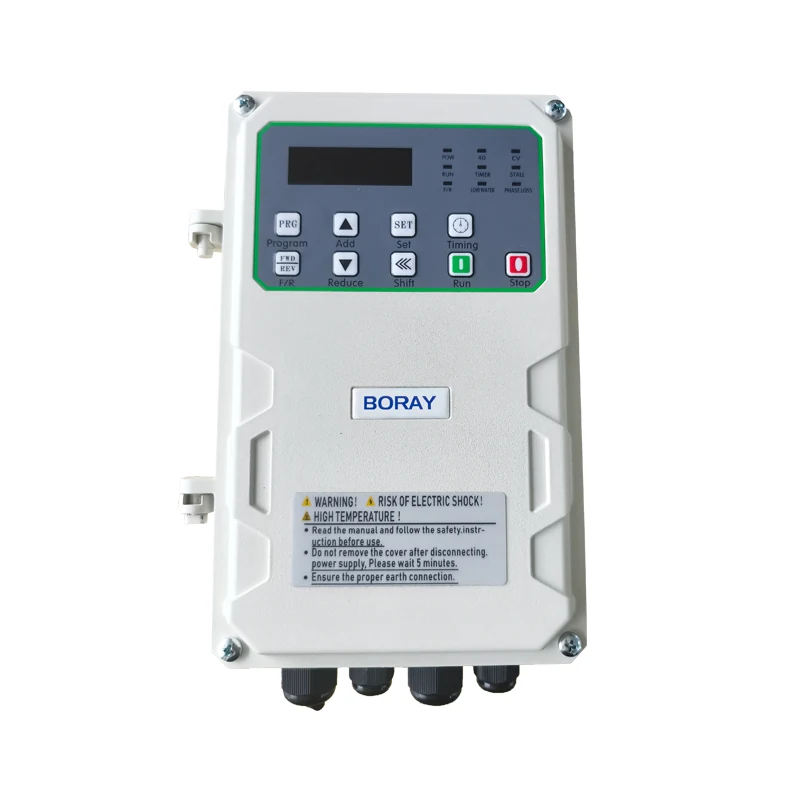
Note indoor or outdoor placement, dust, moisture, sunlight, maintenance access, and cabinet space. Use the FD600 High Protection Solar Pump Inverter catalog name as a reference point when the site layout requires a pump-oriented family, while confirming installation details from the project drawing.
Validate the shortlist against pump and solar source data
Compare the chosen solar pump drive candidate with the pump operating point, solar source behavior, and site protection requirements. Keep BR500-P Solar Pump Inverter, BR600-P Solar Pump Inverter, and FD600 High Protection Solar Pump Inverter as catalog reference points for borehole and surface pump sizing.