What “IP Ratings for Outdoor Solar Pump Inverters” means on an RFQ
For “IP Ratings for Outdoor Solar Pump Inverters”, write the process variable you must hold (pressure, flow, speed, torque) before choosing V/f vs vector.
RFQ data that locks voltage and power class
RFQ for “IP Ratings for Outdoor Solar Pump Inverters”: motor nameplate photo, pump curve or rated head/flow, array Voc/Vmp, dry-run / tank-stop needs, and IP target for the drive location.
Control functions that change field behaviour
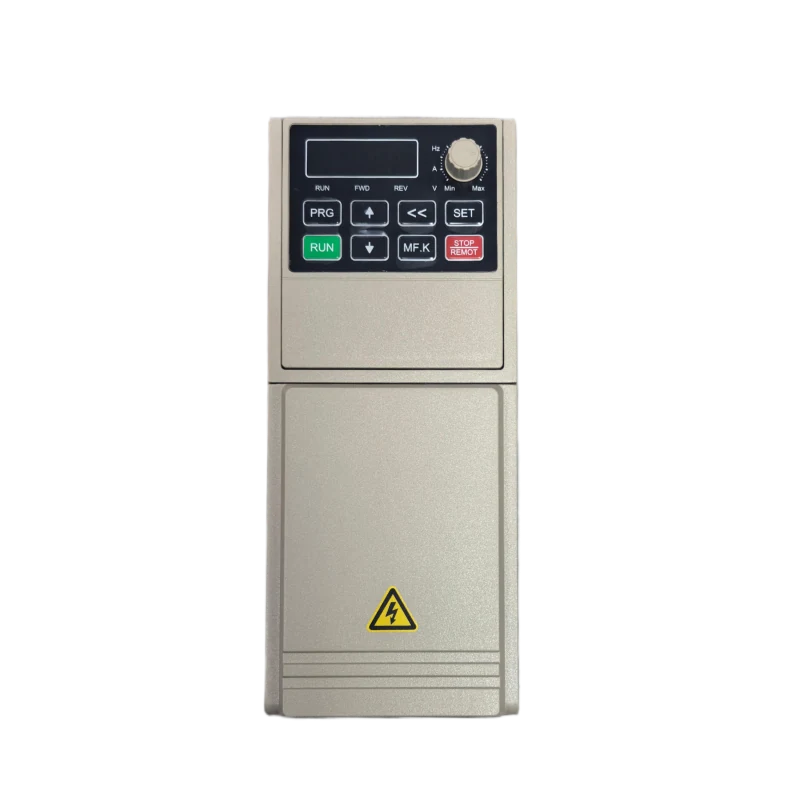
Control that matters for “IP Ratings for Outdoor Solar Pump Inverters” is MPPT under cloud edges, dry-run / minimum-power trips, tank or float stop, and optional hybrid AC input. Do not assume a general vector drive has the same pump macros as FS200/FS300.
Site, EMC and protection notes
For “IP Ratings for Outdoor Solar Pump Inverters”, remote wells fail from dust, sun, splash and long motor leads more than from MPPT tuning. Prefer IP54/IP65 (BR300, SD300, FD600) or a real outdoor cabinet, keep DC/AC runs short, and bond lightning/earthing at the well head.
How Boray series map to this topic
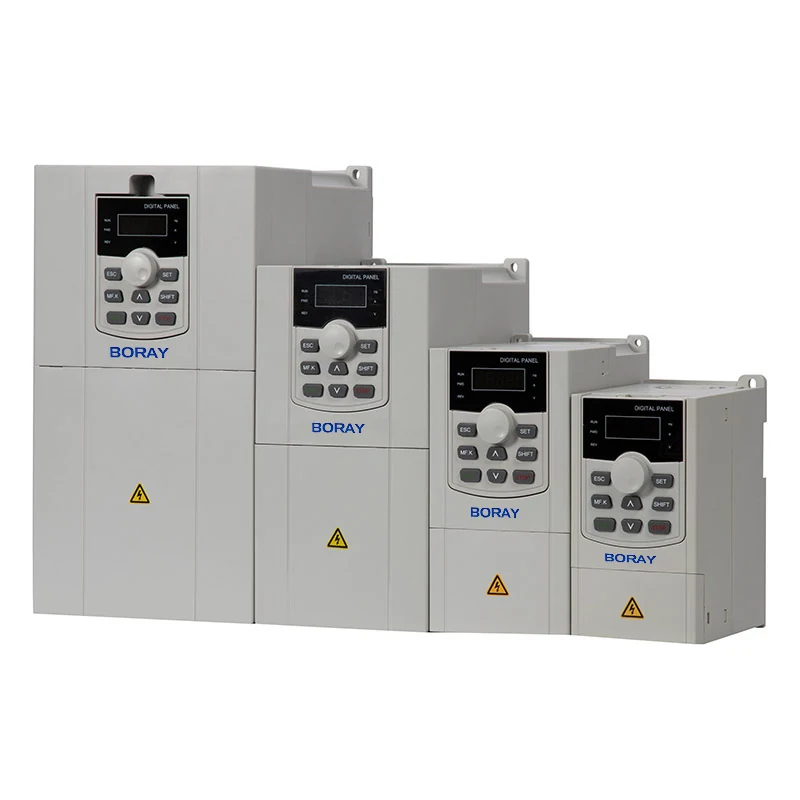
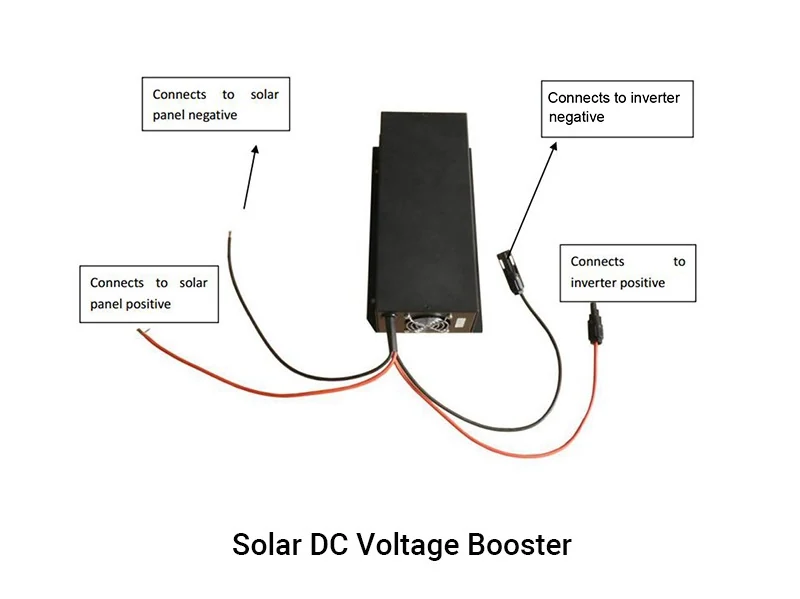
Map “IP Ratings for Outdoor Solar Pump Inverters” to BR500-P / BR600-P for general solar pumping, FD600 for higher protection, BR110-P for solar-capable vector platforms, and LV boosters when array Vmp cannot reach the inverter window.
Next step with Boray
Send the nameplate photo, duty description and site photos for “IP Ratings for Outdoor Solar Pump Inverters”. Engineering will confirm series and options.