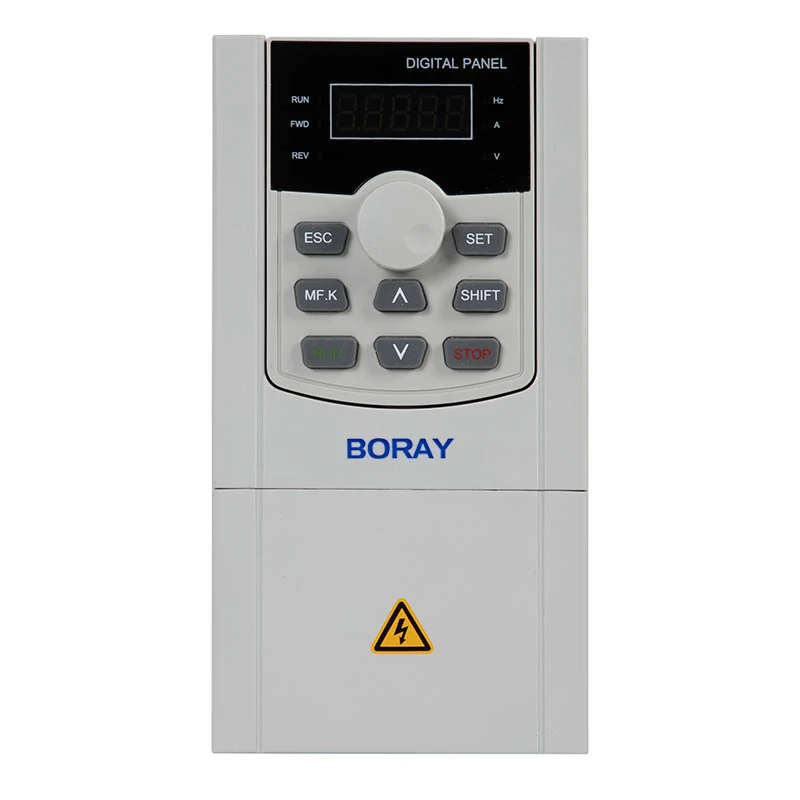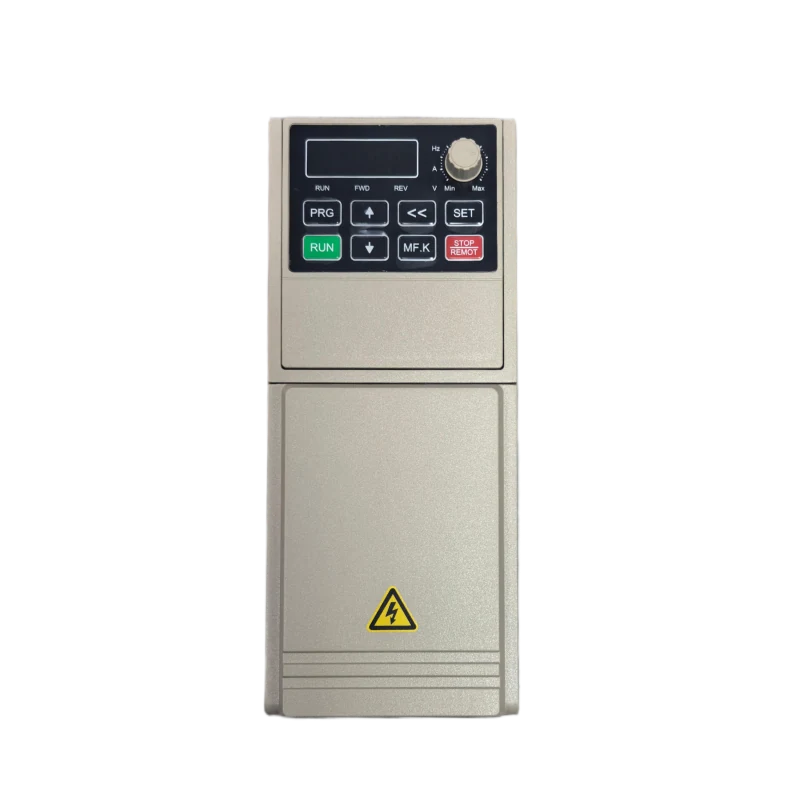
Check the Sunrise-to-Start Sequence
Observe whether the solar pump inverter begins its start only after the array output rises enough to energize the drive. If the unit stays idle while the array is producing, inspect the panel side, connectors, and input path before judging the pump.
Separate Drive Behavior from Pump Resistance
A gradual morning start can look like a soft start, but it can also be caused by a cold pump, dry well, closed valve, or mechanical binding. Turn off the solar pump inverter, inspect the pump and pipe, then restart to compare the start pattern.
Inspect Wiring, Grounding, and Morning Moisture
Moisture, loose terminals, damaged cable, and poor grounding can make a Boray solar pump inverter behave differently in the early morning than at noon. Check exposed connections, conduit entry points, and grounding points for corrosion or intermittent contact.
Review Start, Stop, and Fault Indications
If the drive starts and stops repeatedly, note the timing of each event and any displayed indication on the solar pump inverter. Repeated cycling during low morning input often points to an unstable source, high pump demand, or a control setting that needs review.
Compare Morning Operation with Midday Operation
Run the BR500-P Solar Pump Inverter or BR600-P Solar Pump Inverter through a full day and compare the morning start with the stable midday period. If the problem appears only during the low-input transition, focus troubleshooting on the array, wiring, and start conditions rather than assuming a pump failure.