When Sand and Silt Change the Problem
In sandy or silty wells, symptoms often appear as weak flow, repeated starts and stops, or unstable operation. Before changing any setting on the solar pump inverter, confirm whether the issue is electrical, mechanical, or caused by changing well conditions.
Check the Solar Pump Inverter Connections First
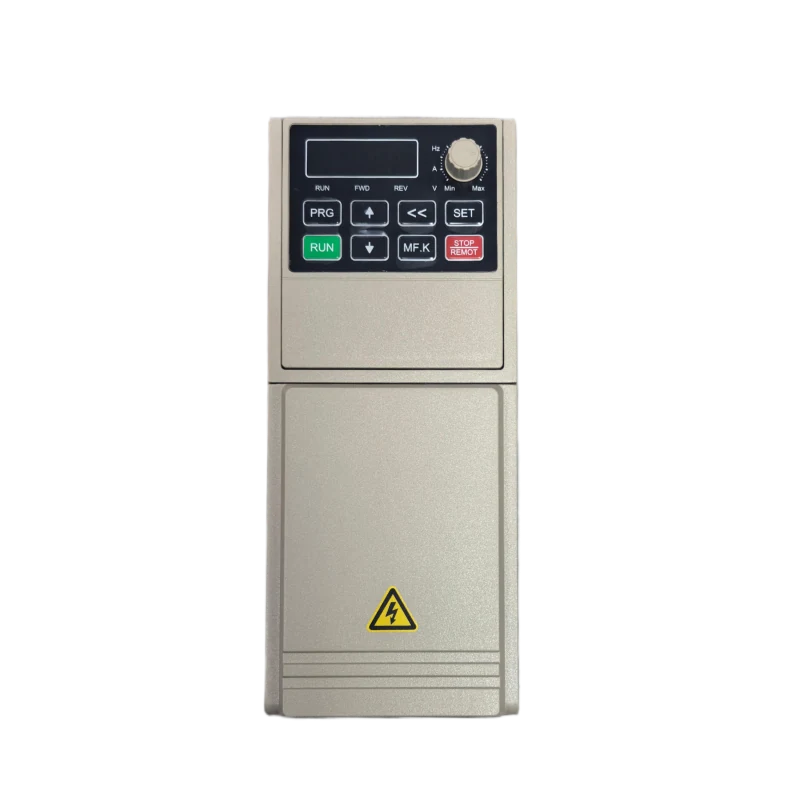
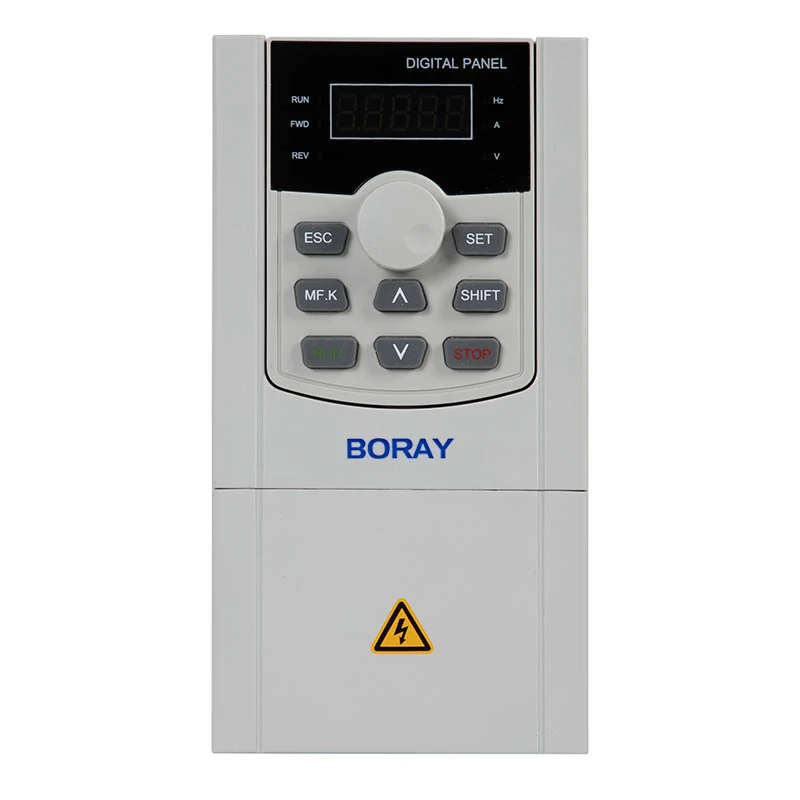
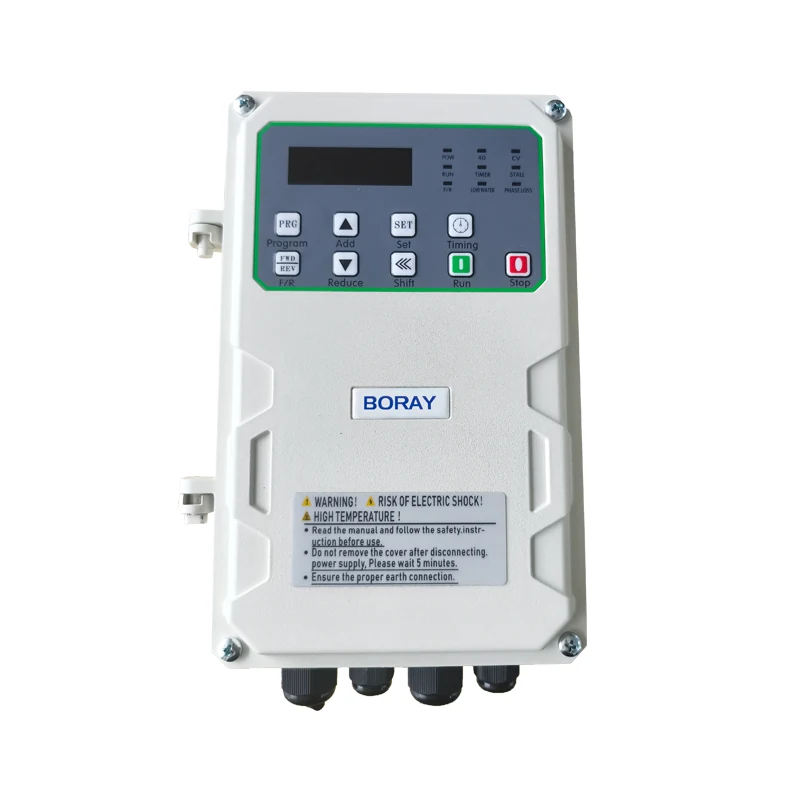
Inspect the BR600-P Solar Pump Inverter or BR500-P Solar Pump Inverter input and output terminals, PV string connections, motor cable, and grounding points. Loose, corroded, or poorly terminated connections can cause symptoms that look like pump faults but are actually supply-side issues.
Look for Well and Pump Symptoms
If the pump runs but water delivery drops, review the water level, intake screen, sand load, and pipe friction. A solar pump inverter cannot compensate for a blocked intake, a collapsed delivery line, or a pump operating outside its intended well condition.
Watch Start-Up and Low-Flow Behavior
In silty wells, observe whether the BR600-P Solar Pump Inverter or BR500-P Solar Pump Inverter starts and then stops repeatedly. This pattern can indicate low available solar input, pump overload, or an intake restriction rather than a defective drive.
When to Escalate Beyond Field Checks
If connections, well conditions, and start-up behavior are normal but operation remains unstable, arrange qualified service for the solar pump inverter and pump set. Do not open the inverter yourself unless you are trained to work on energized electrical equipment.