Why hybrid inverters matter for industrial solar
Hybrid inverters connect solar arrays, storage, utility supply, and site loads in one coordinated system. They are useful when operations need backup power, flexible energy use, and better management of daytime and nighttime demand.
Main technical variations
Hybrid systems can differ in how they link PV, batteries, and grid power, including AC-coupled and DC-coupled approaches. Some models are designed for general storage and grid support, while others are better suited to motor-driven loads or solar pumping.
Industrial and agricultural applications
Factories, warehouses, farms, and water pumping sites may use hybrid solar systems to improve energy continuity. In motor-heavy applications, coordination with drives and pump control equipment can help reduce stress during switching and load changes.
Common engineering pain points
Project teams often face mismatched backup capacity, complex integration with existing loads, and limited supplier documentation. Poor sizing can also lead to unstable operation, especially when solar, storage, and motor loads interact.
Sizing and supplier evaluation checklist
Start by reviewing load profiles, PV capacity, storage needs, backup duration, and site conditions. Then compare manufacturer support, control options, compatibility with related power equipment, and long-term serviceability.
Boray hybrid inverter options
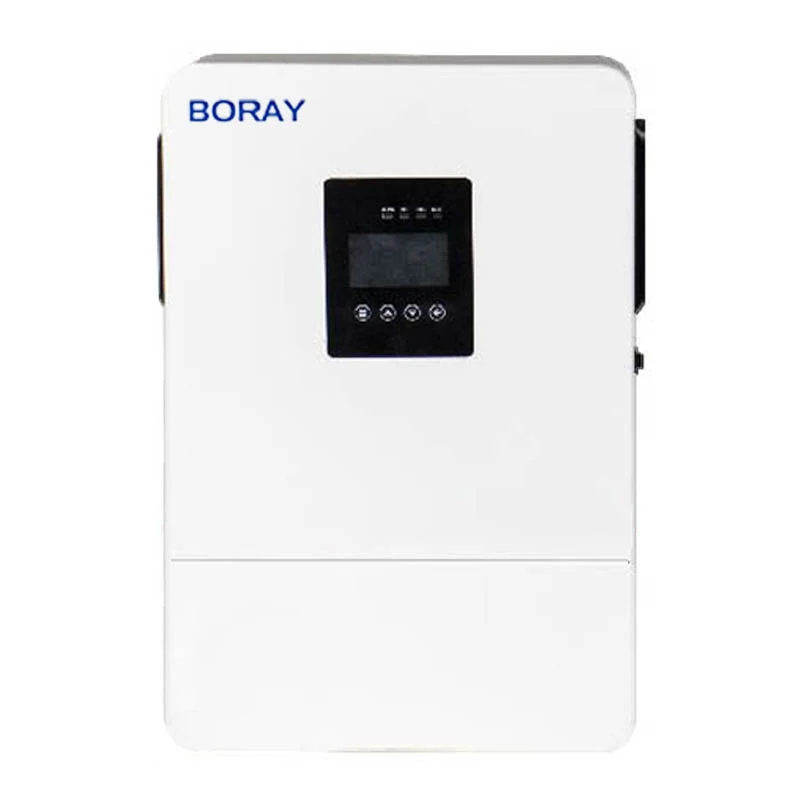
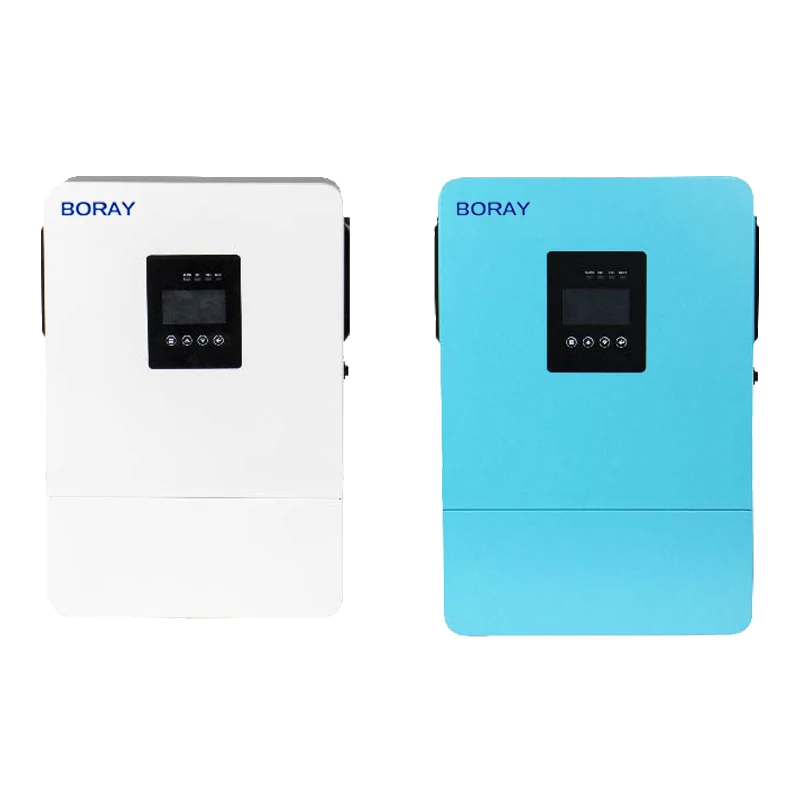
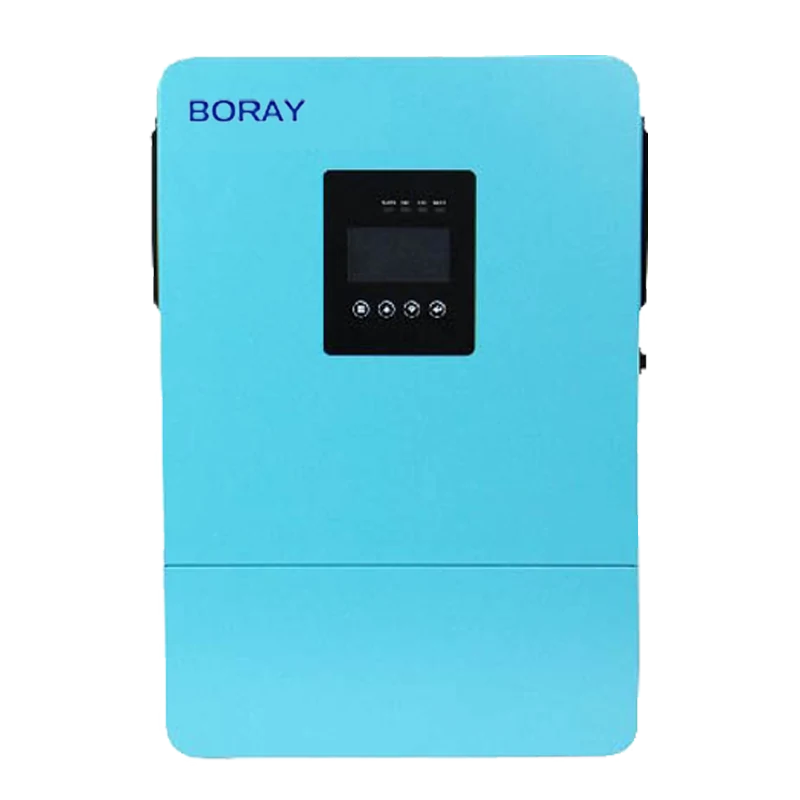
Boray's catalog includes hybrid solar inverter models for projects that need solar and storage coordination. Related solar pump inverter and VFD products may also support specialized industrial or agricultural systems.