Why industrial buyers consider hybrid solar inverters
Hybrid solar inverters are increasingly evaluated by factories, farms, and microgrid operators that want to combine photovoltaic generation, battery support, and grid power in one control platform. They can help manage energy availability, reduce dependence on unstable utility supply, and coordinate renewable power with motor-driven loads. For procurement teams, the main question is not only conversion function, but how the inverter fits into the wider electrical system.
Common hybrid inverter architectures
Industrial projects often compare three-phase hybrid designs, pump-oriented hybrid inverters, and high-voltage DC-coupled systems. Three-phase options are typically specified where plant loads and utility connections require balanced AC distribution. Pump-focused models may combine solar input with motor control features, while DC-coupled designs are used where large PV fields or battery banks need centralized conversion.
Applications in agriculture and industry
Hybrid solar inverters can support irrigation, borehole pumping, livestock water systems, and process loads that need backup or energy optimization. They are also relevant for factory areas with sensitive controls, VFD-driven equipment, or renewable self-consumption goals. The right architecture depends on load behavior, site conditions, and whether the system must continue operating during grid disturbances.
Factory evaluation and quality assurance
When reviewing manufacturers, buyers should examine production processes, component traceability, functional testing, and documentation for integration support. A capable factory should be able to explain how units are tested for protection, communication, and system compatibility. These checks help reduce commissioning risk and support long-term service planning.
Boray product fit for hybrid and solar pump projects
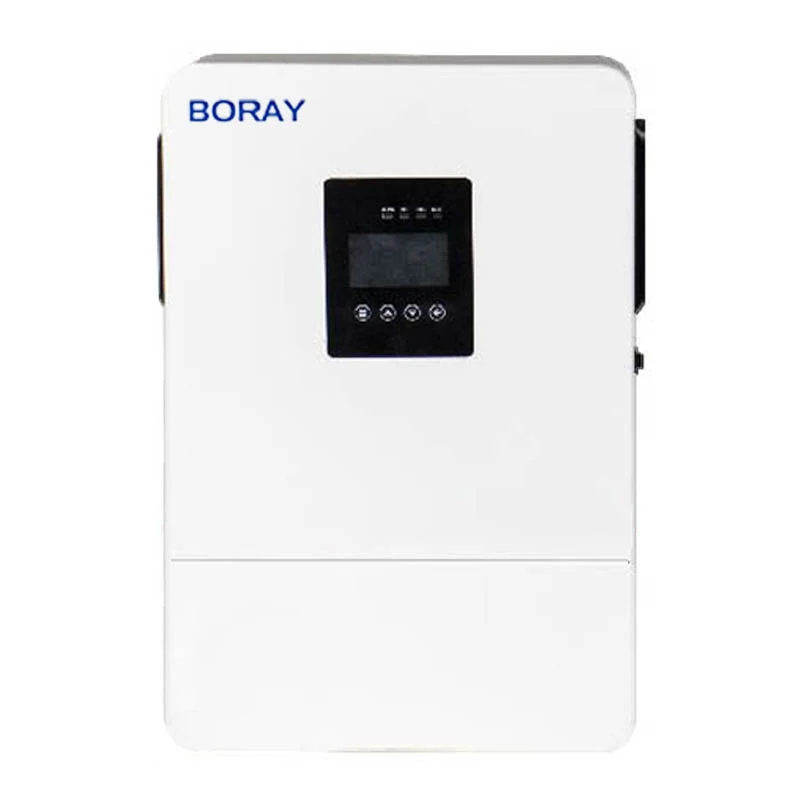
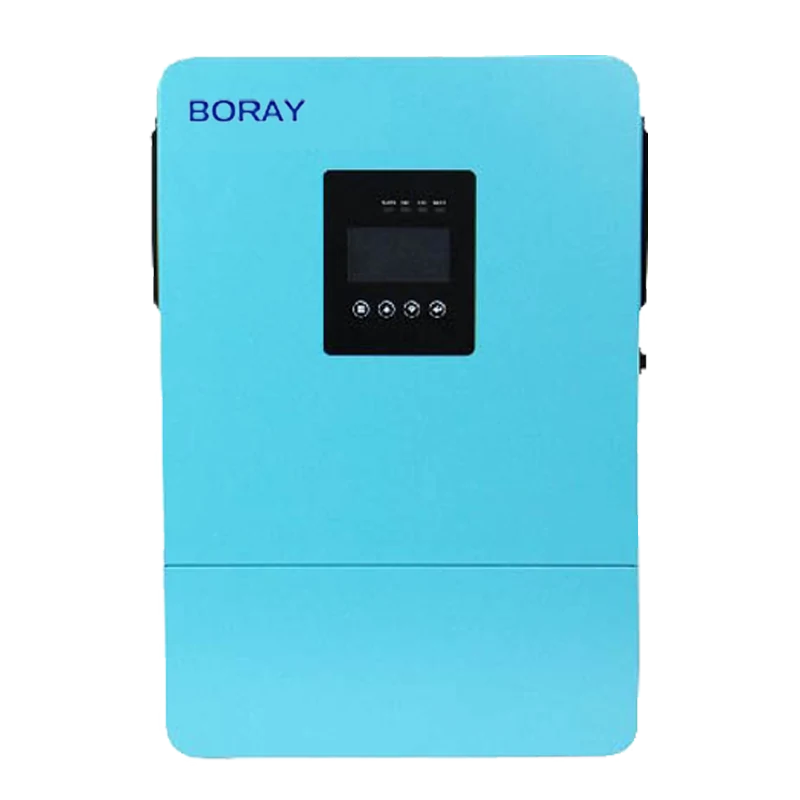
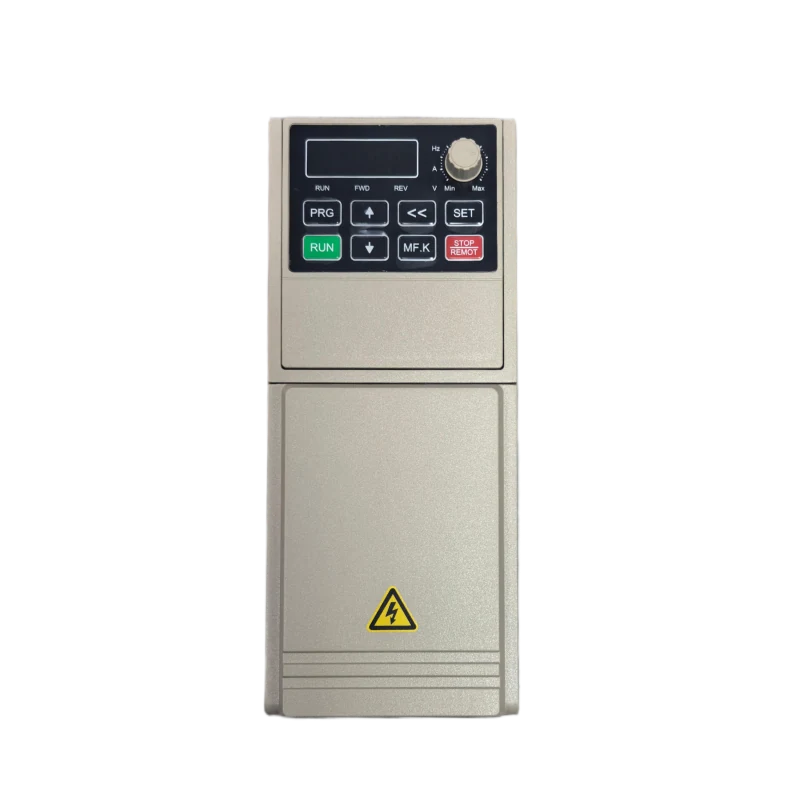
Boray offers hybrid solar inverter models such as BR2000-4200 and BR2000-6500 for renewable power integration applications. For solar pumping use cases, models such as BR600-P may be considered as part of the broader product portfolio. Project teams should confirm system configuration, site requirements, and compatibility with existing electrical equipment before selection.