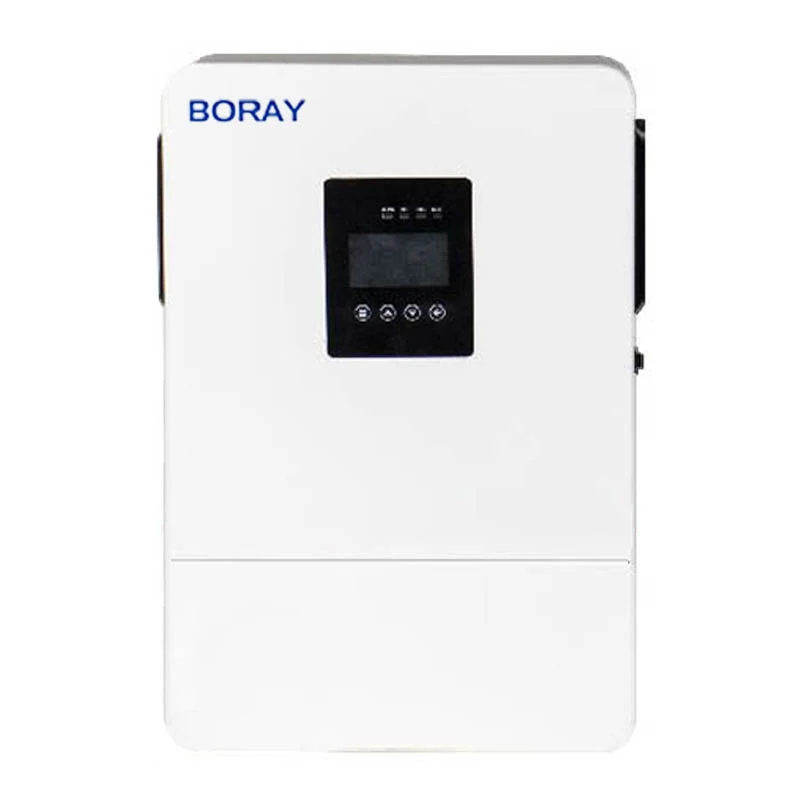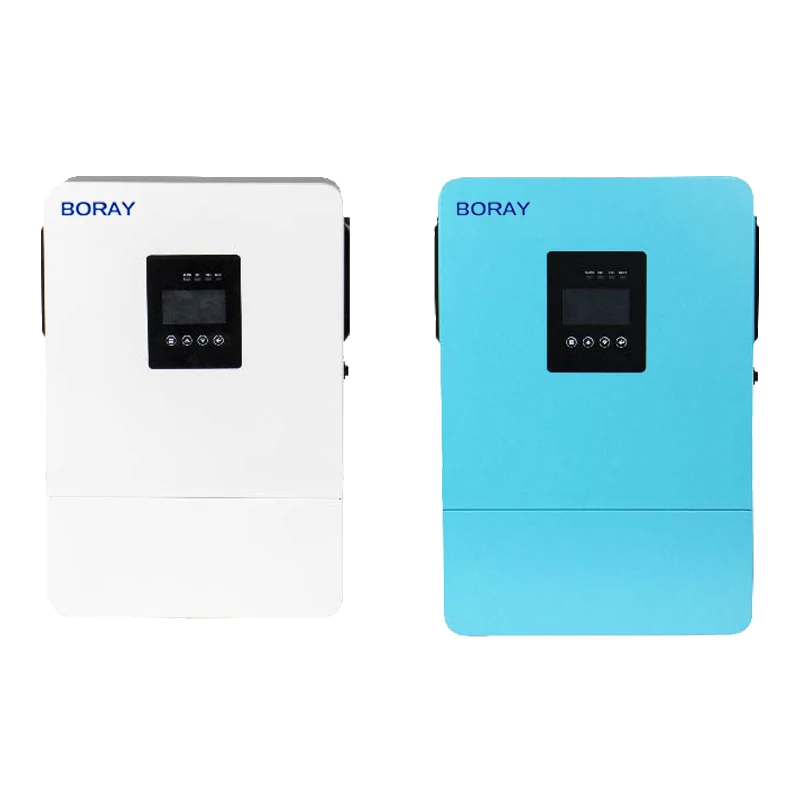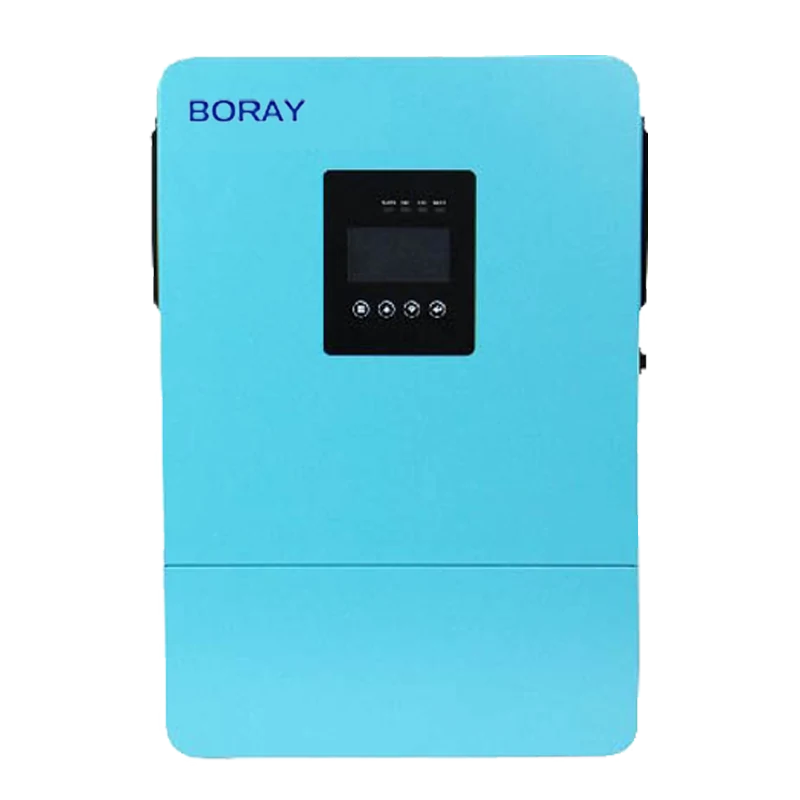
What a Comprehensive Hybrid Inverter With Solar Battery Charging Does
A hybrid inverter brings together PV conversion, battery management, and utility power handling in a single system. It can direct solar energy to loads, charge storage, and coordinate power exchange with the grid. This helps industrial and agricultural sites reduce reliance on unstable tariffs while supporting pumps, motors, and other critical equipment.
Common Hybrid Inverter Architectures
DC-coupled designs connect PV and battery on the DC side, often using a single conversion path for efficient operation. AC-coupled systems add storage to an existing solar inverter through the AC side, which can simplify retrofit projects. Solar pumping hybrid configurations may combine PV input, battery support, and motor drive control for irrigation or water supply.
Key Industrial and Agricultural Applications
These systems are useful where solar generation, battery backup, and motor loads must work together. They can support remote farms, water pumping, warehouses, and manufacturing sites that need stable power. In such settings, the inverter helps balance renewable supply, stored energy, and grid availability.
Selection Factors for B2B Buyers
Buyers should compare conversion behavior, MPPT capability, battery charging control, and compatibility with pumps or variable-frequency drives. It is also important to evaluate system flexibility, serviceability, and support for local grid conditions. A manufacturer should be able to explain how the inverter behaves during solar surplus, battery charging, grid outage, and load changes.
Testing, Sizing, and Deployment Considerations
Before ordering, engineers should size the PV array, battery capacity, and critical loads together. They should also verify start-up behavior for pumps and motors to avoid nuisance trips or unstable operation. During commissioning, monitoring voltage, current, frequency, and battery state helps confirm that the system performs as intended.
When a Hybrid Inverter Is the Right Choice
A hybrid inverter is most valuable when a site needs solar, storage, and backup power in one coordinated system. It may be less suitable if the existing installation only requires simple grid-tied solar conversion. For sites adding battery support to pumps or industrial loads, a comprehensive hybrid design can simplify control and improve resilience.