Sourcing Context for Industrial Motor Control
Industrial motors often account for a large share of facility energy use, making variable frequency drive motor control a practical upgrade for efficiency and process stability. EPC contractors, plant engineers, and agricultural project managers need to match drive features to load type, site power conditions, and automation protocols. A structured sourcing approach reduces risk during specification, commissioning, and long-term operation.
Main VFD Architectures and Use Cases
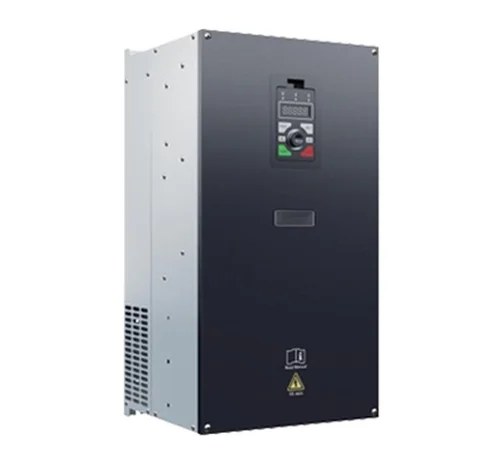
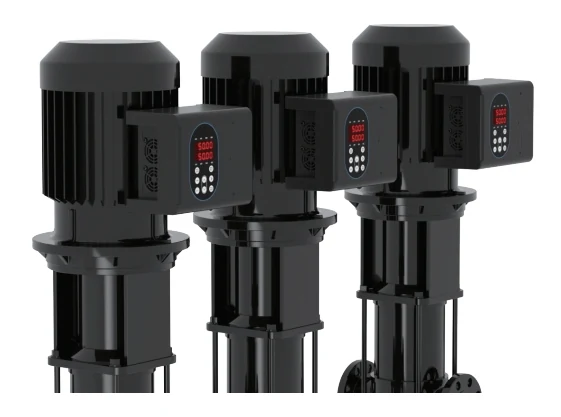
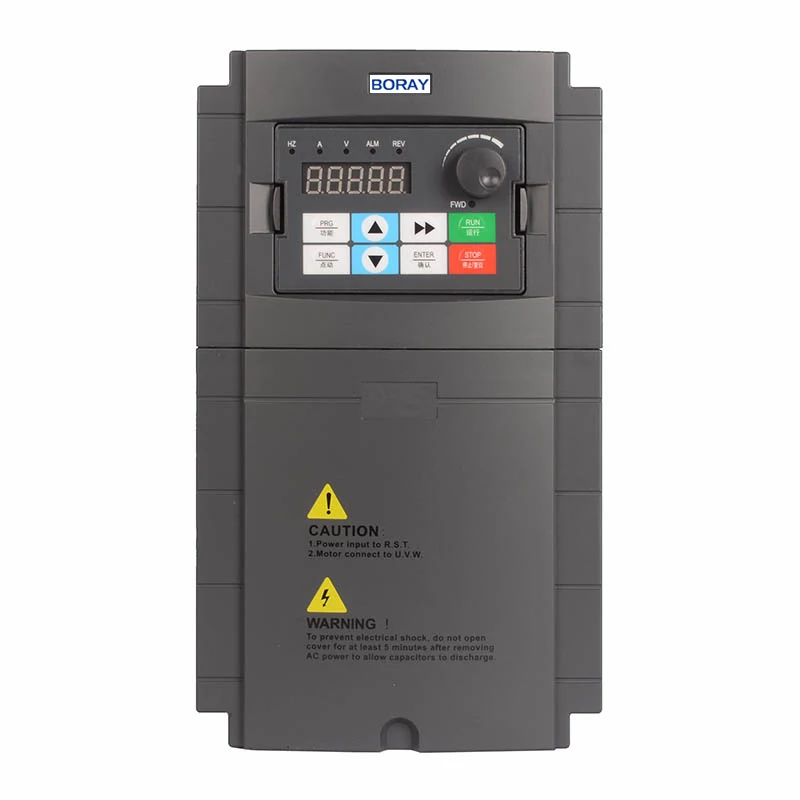
Standard three-phase vector drives are useful for conveyors, pumps, and precision machinery that require strong low-speed torque and tight speed control. Pump-focused AC drives add process logic for flow, pressure, and dry-run handling in water and irrigation systems. Solar pump inverters combine DC input, MPPT, and motor control for off-grid water projects, while general-purpose drives suit simpler fan and pump loads.
Key Engineering Selection Criteria
Input voltage, motor current, torque demand, IP rating, harmonic limits, braking, and communication options should be reviewed before ordering. Fieldbus and control integration can affect cabinet design, wiring, and commissioning time, especially in multi-drive automation projects. For remote sites, protection against dry running, water level changes, dust, moisture, and unstable solar irradiance is as important as basic speed regulation.
Pain Points and Validation Checks
Common B2B challenges include mismatched drive sizing, poor motor parameter tuning, inadequate protection settings, and unclear supplier documentation. Procurement teams should request functional descriptions, wiring diagrams, control logic, and commissioning guidance for each proposed drive family. Testing should confirm startup behavior, PID stability, fault response, and communication with upstream controllers before full deployment.
ROI and Lifecycle Considerations
Energy savings usually appear through reduced motor losses, smoother acceleration, and process control that avoids excessive run time or pressure swings. Maintenance benefits can include lower mechanical stress, fewer contactor operations, and improved protection during abnormal conditions. A strong lifecycle evaluation should include spare parts access, service support, firmware documentation, and training for plant staff.
B2B Partnership Checklist
Engineers should compare drive families by application fit, control depth, protection features, and integration readiness rather than by catalog name alone. Clear project requirements help suppliers recommend appropriate vector, pump, solar, or general-purpose motor control solutions. A reliable partner supports specification review, commissioning notes, and troubleshooting across the project lifecycle.