Confirm the Trip Type Before Acting
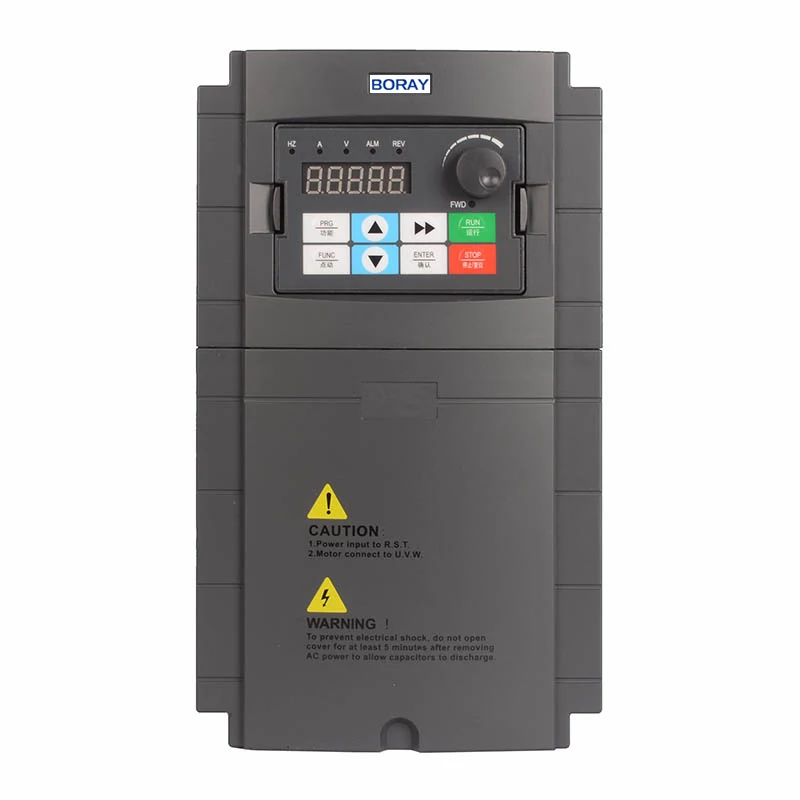
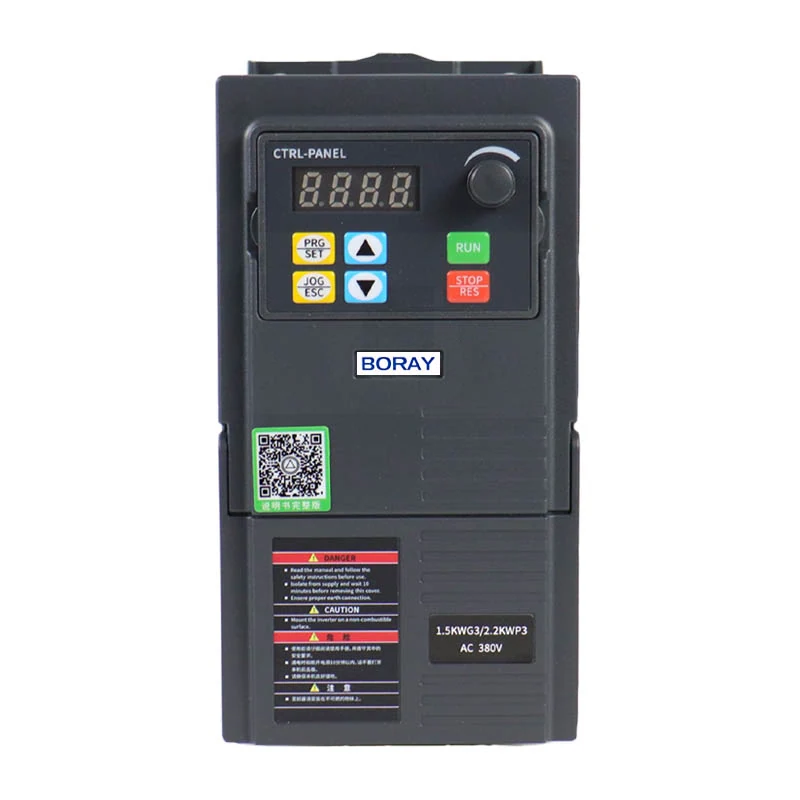
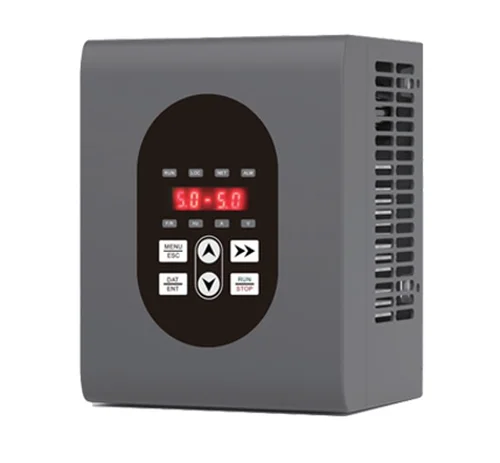
Record the fault indication, operating mode, and recent load changes. An overload trip may appear under high current demand, while other faults can mimic it if the drive is repeatedly starting, holding torque, or operating near its configured limit. Check whether the same symptom occurs with the BR100 Variable Frequency Drive, BR110 Universal High-Performance Vector Inverter, or FS200 Series Intelligent Pump AC Drive in its actual application.
Inspect the Motor and Mechanical Load
Measure or observe the driven equipment for binding, seized bearings, excessive friction, pump cavitation, dry running, or a load that is too heavy for the motor. For pump systems controlled by the FS200 Series Intelligent Pump AC Drive, verify that the pump, pipe, and valve conditions match normal operation before blaming the VSD.
Review Start, Ramp, and Duty Profile
Frequent starts, short ramps, heavy breakaway loads, and long low-speed operation can raise motor current and heat. Compare the drive's configured acceleration, deceleration, and duty pattern with the machine behavior. The BR110 Universal High-Performance Vector Inverter and BR100 Variable Frequency Drive should be checked against the motor and load requirements, not against a generic assumption.
Check Cooling, Environment, and Wiring
Blocked ventilation, high ambient temperature, dust, moisture, undersized supply cables, loose terminals, and long motor cables can all increase heating or current stress. Confirm the VSD enclosure is clean and the motor wiring is secure. For outdoor or pump installations, the application environment matters as much as the drive selection.
Run a Controlled Test Before Replacement
If the drive trips again, test with a reduced load, shorter ramp, or unloaded motor where safe. Track whether the trip occurs during start, steady running, or low-speed operation. If the same Boray VSD, such as the BR100 Variable Frequency Drive, BR110 Universal High-Performance Vector Inverter, or FS200 Series Intelligent Pump AC Drive, behaves differently from the motor and load, replacement may be justified; if not, correct the application first.